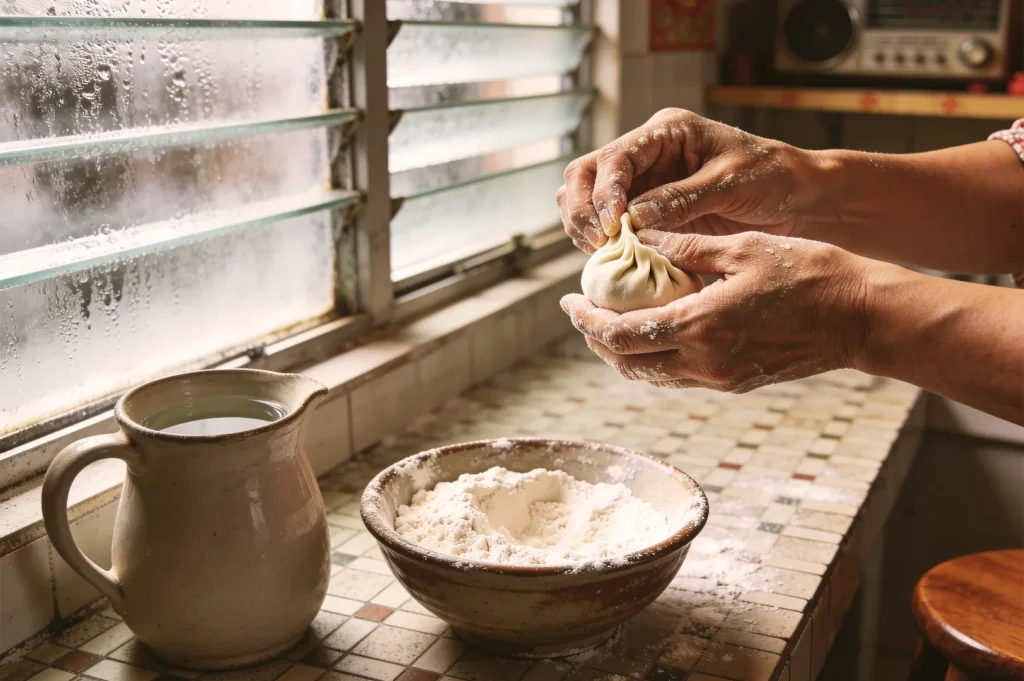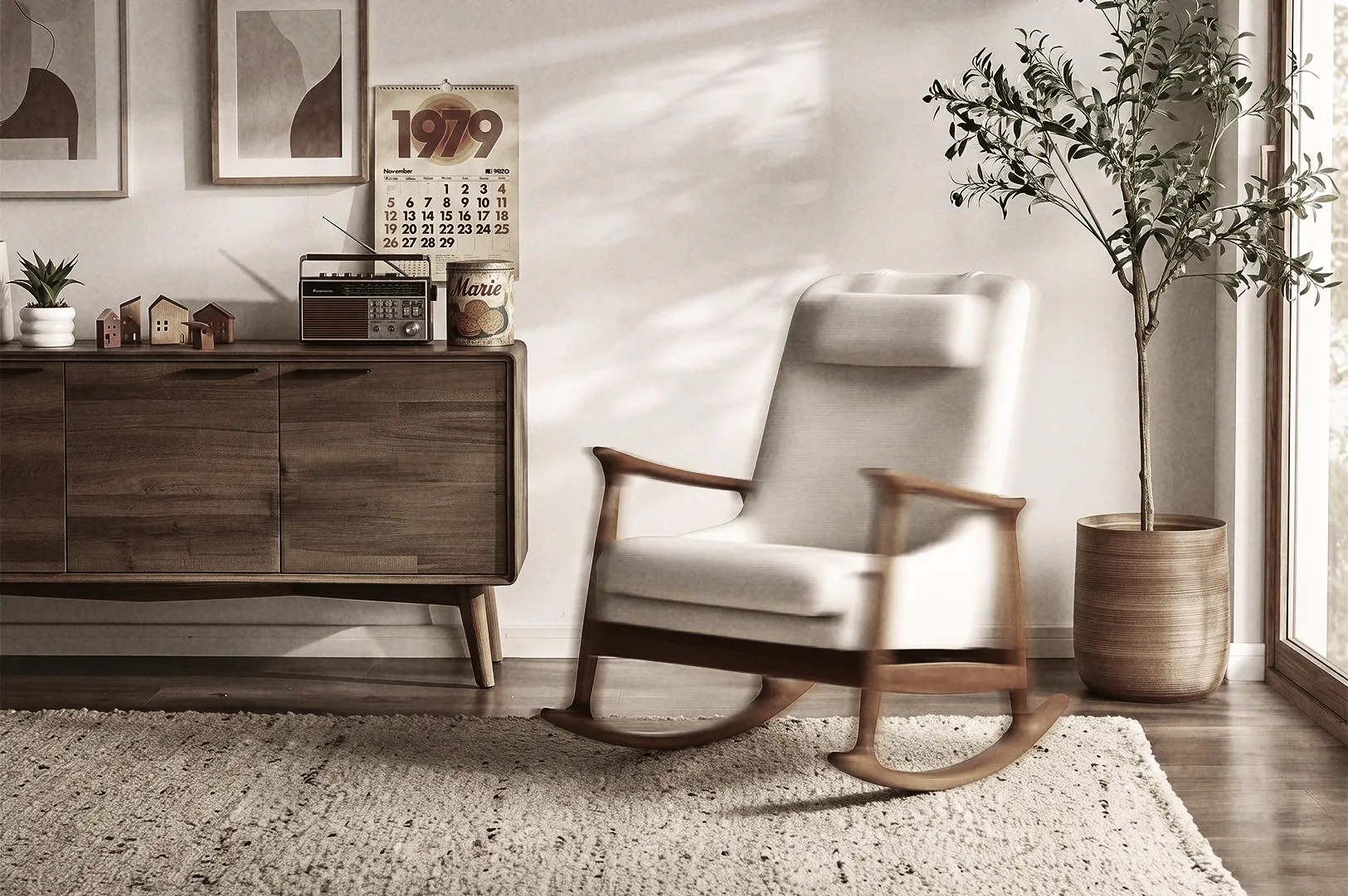
My grandfather didn’t own many things. But the things he kept, he kept carefully.
A tin of Marie biscuits, lid pressed down tight against the ants. A transistor radio tuned to a station that played old Hokkien songs in the afternoon. A calendar from 1979 that he never replaced, because he said the picture of the mountains was too good to throw away.
A shoebox of letters, tied with red string. I never read them. I never asked.
He’d sit in the rattan chair after closing, adding numbers in pencil. I’d sit on the floor with a biscuit dipped in his coffee, waiting for it to go soft but not so soft it fell apart.
Sometimes it fell apart anyway. He’d laugh without looking up.
“Too slow,” he’d say. “Or too greedy.”
The Window and the Street
The window was the best part of the room.
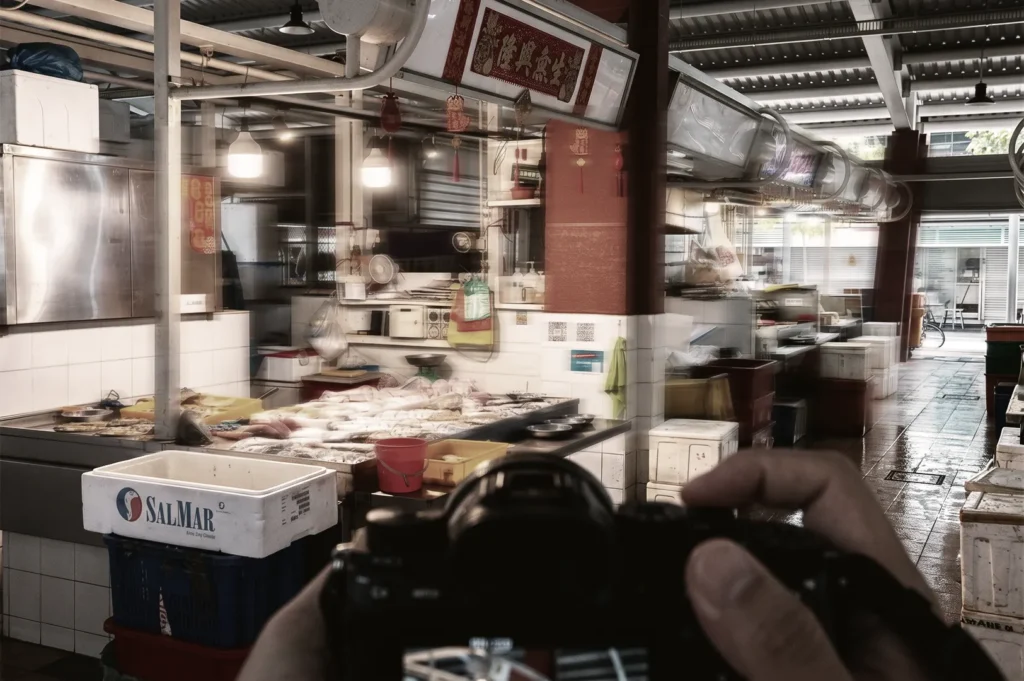
From there, you could see the whole street. The noodle seller setting up his cart at dusk. The tailor across the road pulling down his grille. Children cycling home with their school bags bouncing.
My grandfather watched it all without comment.
Once, I asked him why he liked sitting there so much.
He thought about it for a long time. Long enough that I forgot I’d asked.
“Because everyone down there is going somewhere,” he finally said. “And I already arrived.”
I didn’t understand. I was nine, and I wanted to be going somewhere too.
After
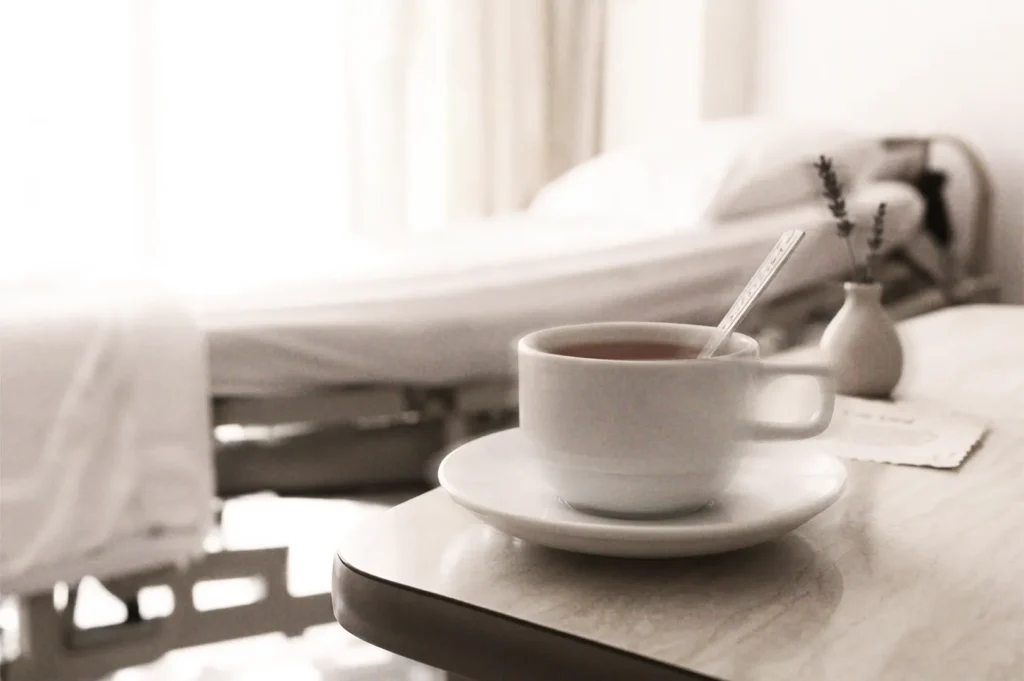
He died in his sleep, in that room, on a Wednesday in the dry season.
The shop was sold within the year. My uncles cleared out the upstairs in one afternoon. The ledgers went to the rubbish collector. The radio went to a cousin. The rattan chair was too worn for anyone to want.
I took the enamel cup. Nobody noticed.
Before we left, I stood in the empty room for a minute. The walls had pale squares where the calendar and a family photograph used to hang. The floor had two faint dents where the chair legs had rested for decades.
And the smell was still there. Coffee, faint but stubborn, soaked into the wood.
A room can hold a person long after everything else has let them go.
Why Places Hold On
I used to think it was only my imagination. That I was grieving, and grief makes you see things.
Later, I read about how the brain ties our memories to the places and senses where they first happened. Smell especially. It travels a shorter path to the parts of us that feel before they think.
That helped. But it didn’t explain everything.
Some of it, I believe, is simpler. We leave ourselves in the places we return to. A little at a time. In the dent of a chair. In the stain of a cup. In the way a door has to be lifted before it will open.
The Cup on My Shelf
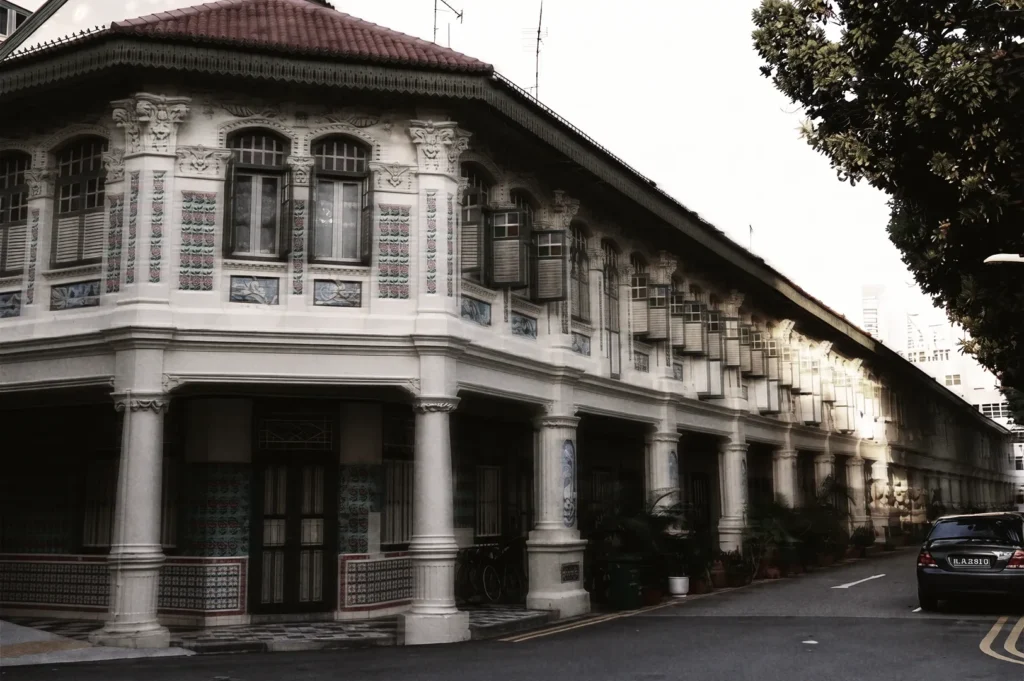
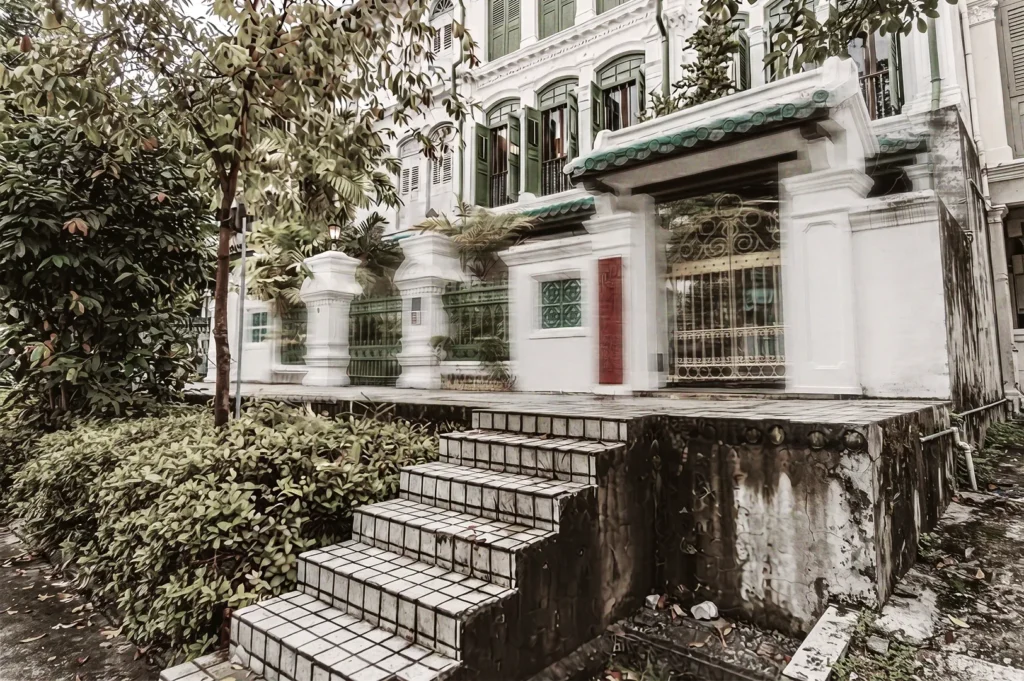
I walked past the old shophouse last month. It’s a café now. White walls, pendant lights, a menu written on a chalkboard.
I didn’t go in. I looked up at the window instead.
Someone had put a plant there. It was doing well in the light.
At home, I made coffee. Black and sweet. I poured it into the enamel cup with the blue rim and sat by my own window, watching the street below.
People were going somewhere. Buses. Bicycles. A man carrying bags of groceries, walking fast.
I dipped a biscuit and waited. Too long. It fell apart.
I laughed, alone in my kitchen, and I heard him say it.
Too slow. Or too greedy.
It’s why I keep returning to the other stories I’ve gathered about rooms, meals, and the people who once filled them. Not because the places were grand. Because they remembered us when we’d almost forgotten ourselves.
The room above the shop is gone.
But some evenings, when the coffee is strong and the light comes in low, I think I’ve finally arrived too.