Spring Court in Chinatown: The Dining Room That Has Been to Every Birthday in My Family
There is a particular sound a round table makes when the lazy Susan turns.
It’s a low wooden rumble, almost a sigh. A teapot slides past. Then a plate of crispy chicken, and a dish of chili someone keeps nudging toward my uncle. Twelve people reach, pause, wait their turn, and reach again.
I heard that sound again last month, climbing the stairs at Spring Court.
I stopped on the landing. My hand was on the rail, and I wasn’t sure for a moment whether I was thirty-eight or eight.
Some rooms don’t just host a celebration. They keep a copy of it.
A Shophouse That Holds Its Breath
From the street, Spring Court doesn’t announce itself loudly.
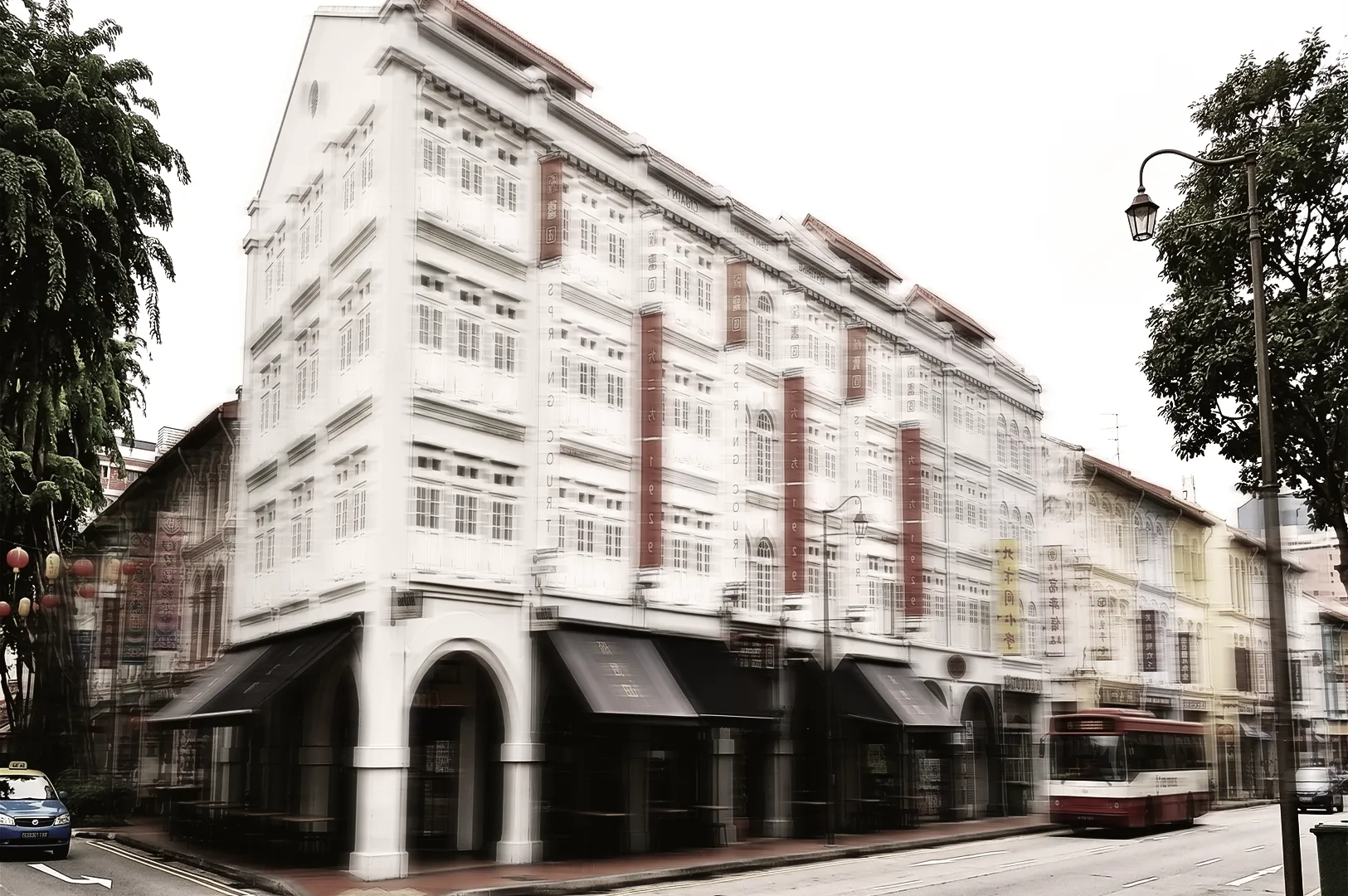
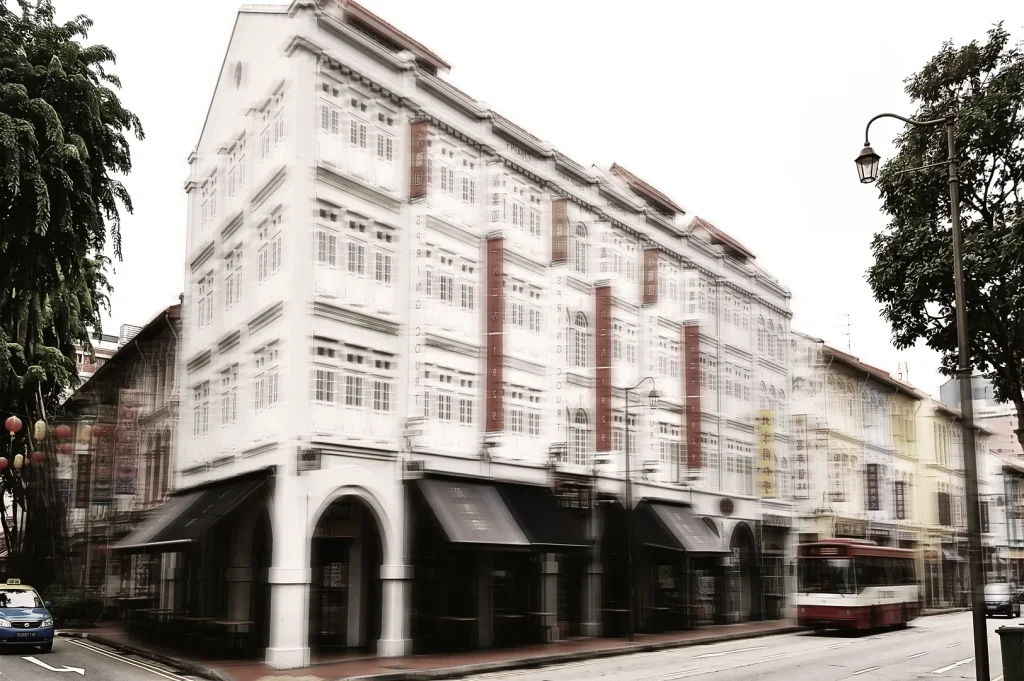
It sits in a four-storey shophouse in Chinatown, its sign written in both English and Chinese. Cars crawl past. Tourists stop to check their phones. Office workers hurry by with takeaway coffee, not looking up.
Step inside, though, and the air changes.
The noise of the street falls away behind you. In its place comes the clink of porcelain and the hiss of a wok somewhere out of sight. Waiters in neat uniforms move quickly but never seem to rush. The decor is unapologetically old-world. Carved wooden chairs, dark paneled walls, and red lanterns hang overhead like patient guests who arrived early and never left.
Nothing here is trying to be new.
That’s exactly the point.
Where It Began
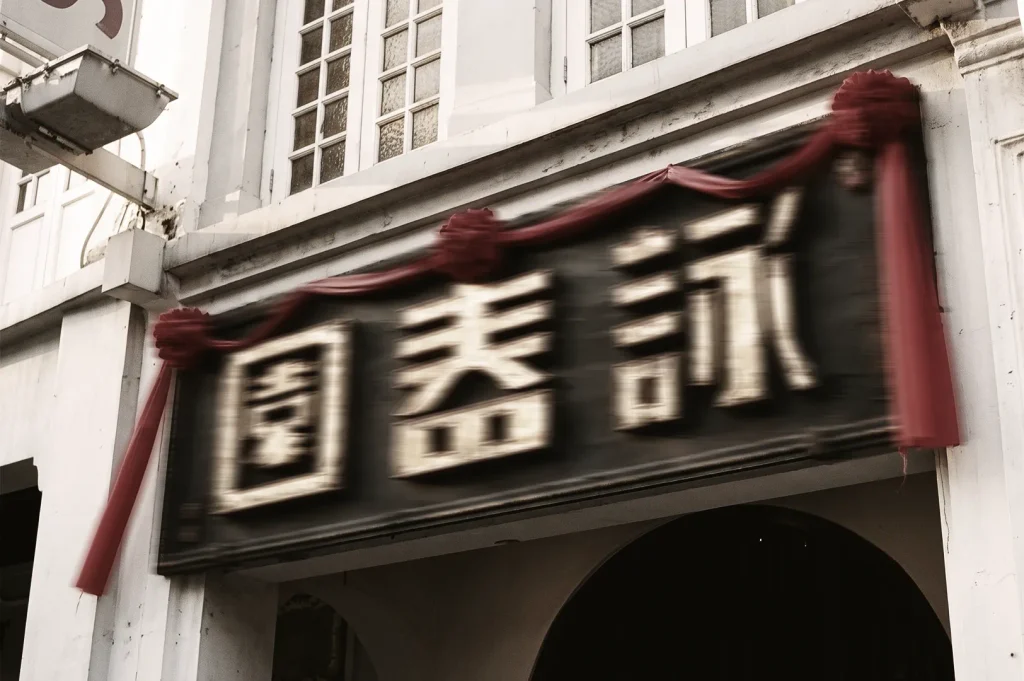
Spring Court is Singapore’s oldest Chinese restaurant. It was founded in 1929 by Ho Loke Yee, a self-taught Cantonese chef who learned his craft not in a famous kitchen but by doing, tasting, and doing again.
Back then, it had a different name: Wing Choon Yuen. It began far from Chinatown, in the busy glow of the old Great World amusement park, where families went for rides, shows, and a good meal after.
Think about that for a moment. 1929. The restaurant opened before most of our grandparents were born. It lived through war, independence, and a city rebuilding itself over and over. It moved. It changed its name. Generations of the same family kept it going.
And through all of it, people kept coming back to eat together.
You can read more about how this family-run restaurant became the go-to venue for birthdays and weddings across generations of Singaporeans. But numbers and dates only tell you part of it.
The rest is told by the people at the tables.
My Grandmother’s Eightieth
The first time I remember coming here, it was for my grandmother’s eightieth birthday.
I wore a stiff collared shirt my mother had ironed twice. My cousins and I were seated at the “children’s table,” which mostly meant we were far enough away that no one noticed us sneaking extra prawn crackers.
My grandmother sat at the head of the main table in a deep red blouse. She didn’t eat much. She mostly watched.
When the longevity noodles arrived, long and glossy, she lifted a single strand high with her chopsticks. The whole room seemed to hold still while she did. Everyone knew you weren’t supposed to cut them. Long noodles, long life.
“Don’t break it,” my father whispered to me. “Bad luck.”
I spent the rest of the meal terrified of my own chopsticks.
Then came the peach-shaped buns, soft and pink-tipped, piled into a pyramid. My grandmother took one, broke it open, and handed half to me across the gap between tables.
She didn’t say anything. She didn’t need to.
The Weight of Round Tables
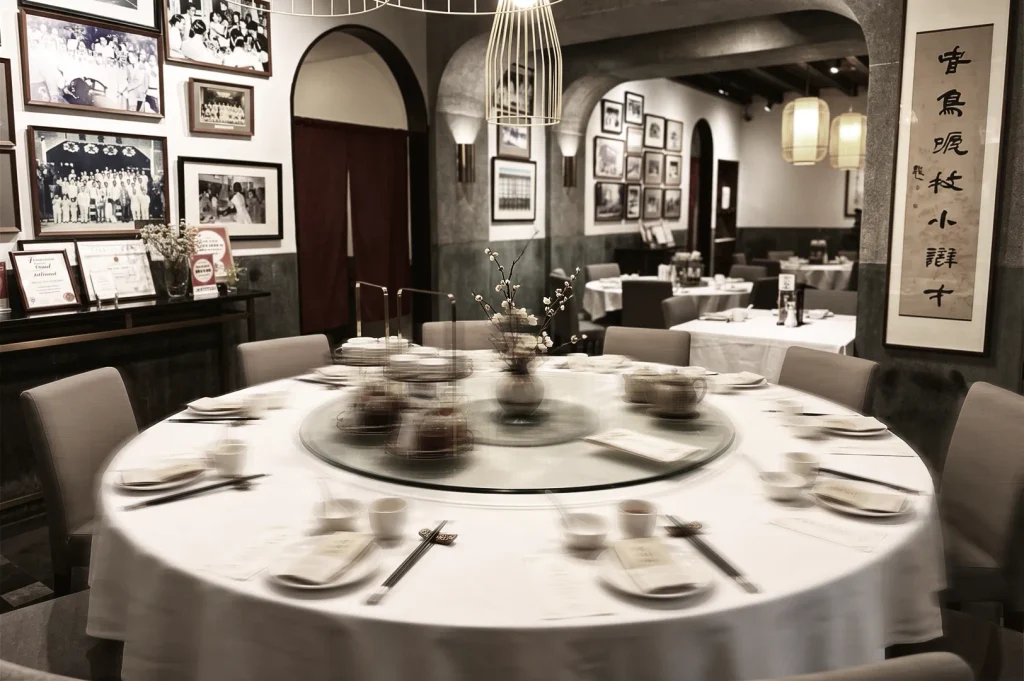
There is something about round tables that I’ve never found anywhere else.
No one sits at the head, not really. Everyone can see everyone. Food travels in a circle, and so does conversation. An auntie asks about your job. An uncle tells the same joke he told at the last wedding. A baby gets passed from lap to lap like another dish being shared.
At Spring Court, the round tables feel like they’ve absorbed decades of this.
I imagine all the toasts that have been made in these rooms. The yam seng! cries stretched long and loud until someone runs out of breath. The nervous grooms. The proud grandparents. The father giving a speech he practiced for weeks, then forgetting half of it and saying something better instead.
A restaurant this old isn’t just a place to eat. It’s an archive of family milestones, written in clinking glasses and laughter.
My Parents’ Photograph
At home, there is a framed photograph on my mother’s dresser.
It’s from her wedding banquet. The colors have faded to soft orange and brown. My father looks impossibly young and a little terrified. My mother is laughing at something just outside the frame.
Behind them, if you look closely, you can see carved wood and the glow of a red lantern.
I never knew where it was taken until I was a teenager. One day my mother tapped the glass and said, “Spring Court. Your grandfather insisted. He said a proper wedding needs a proper room.”
So many of my family’s important nights happened inside these walls. Her wedding. My one-month celebration, which I obviously don’t remember. My grandmother’s eightieth. My cousin’s engagement dinner, where the two families met awkwardly and left as one.
I’ve been here more times than I can count, and half of them before I could remember.
Coming Back With My Father
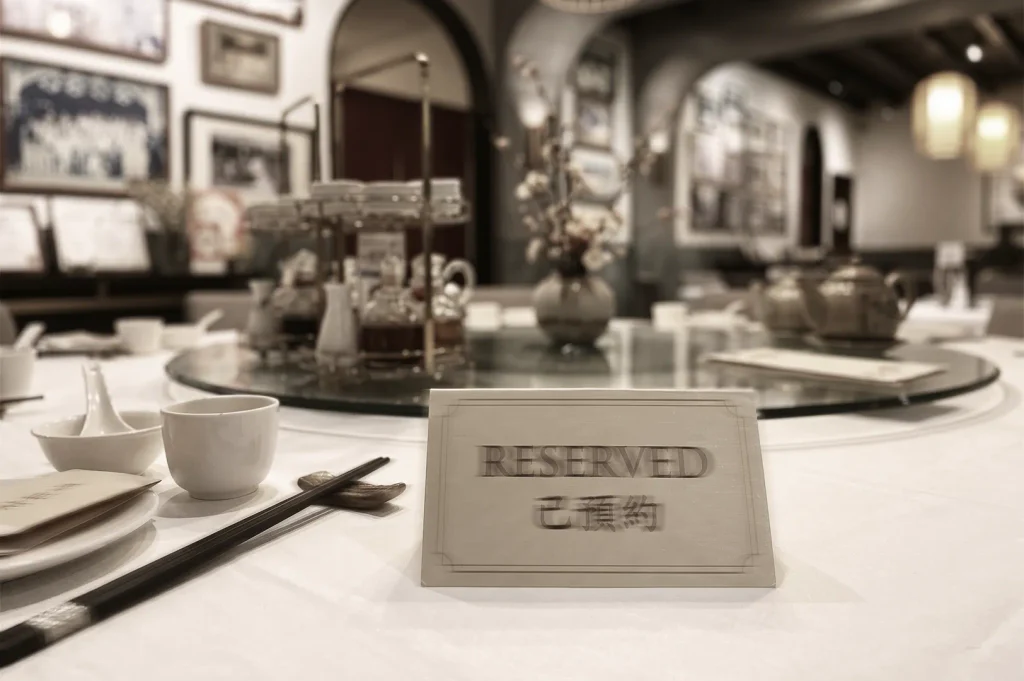
Last month, I brought my father back.
He’s older now. His memory drifts. Some days he knows exactly who I am. Other days he looks at me kindly, like a stranger who seems familiar. I’ve written before about the evening my father couldn’t recall my name, and how old stories gently led us back to each other.
I wasn’t sure what he’d remember of this place. Maybe nothing.
We climbed the stairs slowly. He held the rail with both hands. At the top, he stopped and looked around the room. The red lanterns. The carved chairs. A large family at the far table singing a birthday song slightly out of tune.
His face changed.
“Your mother,” he said. “She wore a red dress here. She laughed too loud. Your grandfather pretended to be annoyed.”
He didn’t remember what he’d had for breakfast that morning.
But he remembered that.
What the Food Remembers
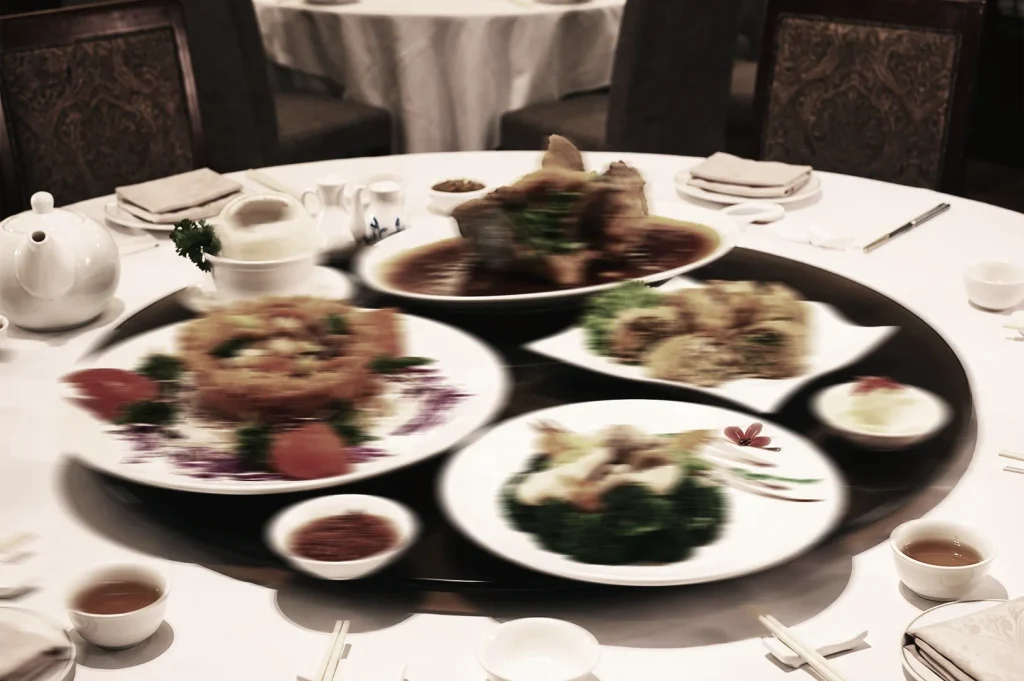
We ordered simply. Crispy chicken, the skin crackling and golden. A plate of greens glistening with garlic. Steamed fish, tender and silky, lying in a pool of soy sauce and ginger.
My father ate slowly, carefully, the way he always has.
Halfway through the meal, he picked up a piece of chicken and put it on my plate. He didn’t look at me. He just did it. It’s the oldest gesture in a Chinese family, the one that says what words never quite manage.
I love you. Eat more. I’m still here.
I looked down at my plate for a long time.
Cantonese cooking has always been about honesty to me. Clean flavors. Fresh ingredients. Nothing hidden under too much sauce. Maybe that’s why it holds memory so well. When food doesn’t try to disguise itself, it tastes the same across forty years.
A Room That Keeps Faith
There are fancier restaurants in Singapore now. Newer ones, with tasting menus and dramatic lighting and waiting lists that stretch for months.
Spring Court doesn’t compete with any of that.
It keeps faith with something else. With families who come back for every birthday. With grandparents who once sat where their grandchildren sit now. With a self-taught cook named Ho Loke Yee, who opened a small restaurant in 1929 and probably never imagined it would still be feeding people nearly a century later.
Ninety-seven years of round tables. Countless bowls of longevity noodles. A room that has seen us at our happiest and never once asked us to hurry.
The Lazy Susan, Still Turning
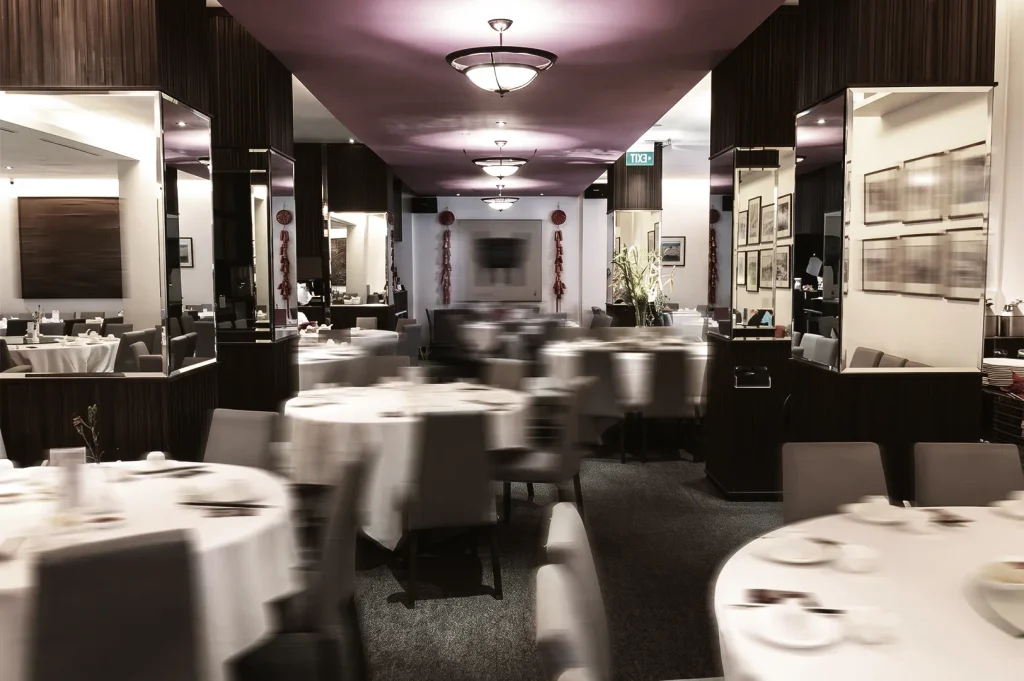
Before we left, my father sat quietly while I paid the bill.
At the next table, a little girl in a yellow dress stood on her chair, trying to reach the birthday cake. Her grandmother caught her gently by the waist and laughed. Someone spun the lazy Susan, and that low wooden rumble filled the air again.
My father watched them for a long moment.
“Good place,” he said. “Everyone’s been happy here.”
Then he stood, took my arm, and we walked down the stairs together, back into the noise and heat of Chinatown.
I don’t know how many more times we’ll come back.
But I know this. Somewhere in that old shophouse, between the carved chairs and the red lanterns, a piece of my family will always be sitting at a round table.
Laughing too loud. Lifting a long noodle. Waiting for the rest of us to arrive.