Sundays After the Temple at Fortune Centre
My mother brought me here almost every Sunday when I was small.
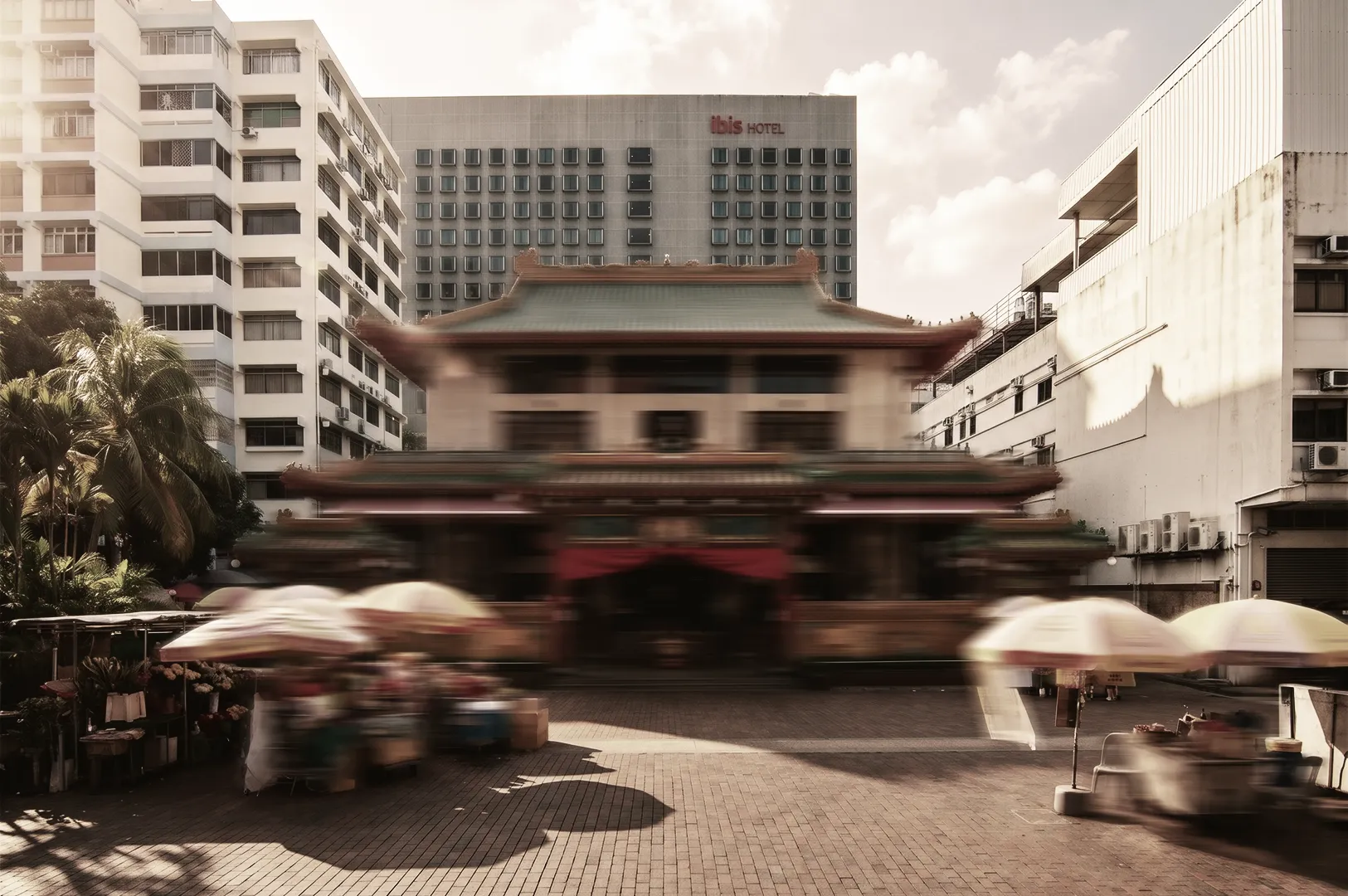
We’d start at the Kwan Im Thong Hood Cho Temple on Waterloo Street, where she lit joss sticks and bowed three times while I counted the pigeons. Then we’d walk over, the smoke still clinging to our clothes, and climb the stairs to the vegetarian stalls on the upper floors.
She always ordered the same thing. Bee hoon, fried soft and pale, with mock char siew and a spoonful of chili on the side. I always wanted whatever had the most mock meat on it, because I liked pretending it was real.
“It’s not the meat that matters,” she told me once. “It’s what you don’t take.”
I was seven. I just wanted the crispy bits.
The Bookshops Where Time Stops
Between meals, she’d wander into the Buddhist bookshops.
I remember them as narrow and dim, lined floor to ceiling. Sutras in red and gold covers. Small brass Buddhas lined up on glass shelves. Prayer beads hanging in loops like curtains. The shopkeepers spoke softly, as if the books might wake.
My mother would pick up a slim volume and read standing up, her lips moving slightly. I’d sit on the floor and run my fingers along the spines, feeling the raised characters I couldn’t read yet.
Nobody ever rushed us. Nobody asked if we were buying.
On this visit, one of those shops was still there. Smaller now, I think, or maybe I was bigger. The same smell of incense and paper met me at the door. An elderly man sat behind the counter with reading glasses pushed onto his forehead, sorting a box of free booklets.
He nodded at me. I nodded back, the way you greet someone you’ve known for years but never spoken to.
The Tailor With the Measuring Tape
On the second floor, there used to be a tailor. My father had his work trousers made there, two pairs every year before Chinese New Year.
The tailor wore a measuring tape around his neck like a scarf. He chalked lines on fabric without seeming to look, and he never wrote down a single measurement. “I remember,” he’d say, tapping his temple.
I found the shop again, or one just like it. Bolts of grey and navy cloth stacked against the wall. A sewing machine with a worn foot pedal. A wooden yardstick hooked on a nail.
The man inside was younger than I expected. When I mentioned my father’s name, he laughed.
“My uncle’s customer,” he said. “Slightly bigger on the left side, right?”
I didn’t know that. But I believed him.
Some places keep our details more carefully than we do.
Crystals, Herbs, and Quiet Promises
Fortune Centre has always been a little mysterious.
Walk its corridors and you’ll pass shops selling crystals in every color, laid out on velvet like sweets. There are jars of dried herbs and roots with handwritten labels. There are small rooms offering massage, reflexology, and healing methods I still can’t fully explain.
As a child, I found these shops a little frightening. The hanging charms. The glass cases of amethyst. A poster of a foot divided into zones, each one linked to a different organ.
Now I find them oddly comforting.
Everyone who walks into these shops is looking for something. Peace, maybe. Relief from an ache that won’t leave. A reason to feel hopeful about next month. The building doesn’t judge any of it. It just makes room.
The Regulars
What struck me most this time wasn’t the shops. It was the people.
An auntie in a floral blouse sat at a corner table with a pot of tea, doing a crossword in pencil. Two old men argued gently over a newspaper. A woman in grey temple robes ate a bowl of soup slowly, her eyes half closed.
I had the feeling they’d all been here a very long time. Not just today. For decades.
The stall assistant who served me looked at the auntie and called out her order before she’d said a word. The auntie didn’t even look up. She just raised one hand.
That’s what regulars are, I think. People whose habits have become part of the architecture.
The Order I Didn’t Have to Say
I went back up to the vegetarian stalls before I left.
Most of the faces had changed. The menu boards were new, printed in bright colors. But the steam still rose from the woks the same way. The plastic stools were still a little too low.
I ordered bee hoon with mock char siew and chili on the side.
The woman behind the counter paused. She looked at me for a long second.
“Your mother,” she said. “Always this one. She comes still?”
I told her no. Not anymore.
She nodded, quietly, and added an extra spoonful of the crispy bits without saying anything.
I sat at a table near the window and ate slowly. The light came in flat and pale through the glass, falling across the tabletop. Below, Middle Road kept moving. People going somewhere, always somewhere.
Up here, nothing needed to hurry.
What the Building Holds
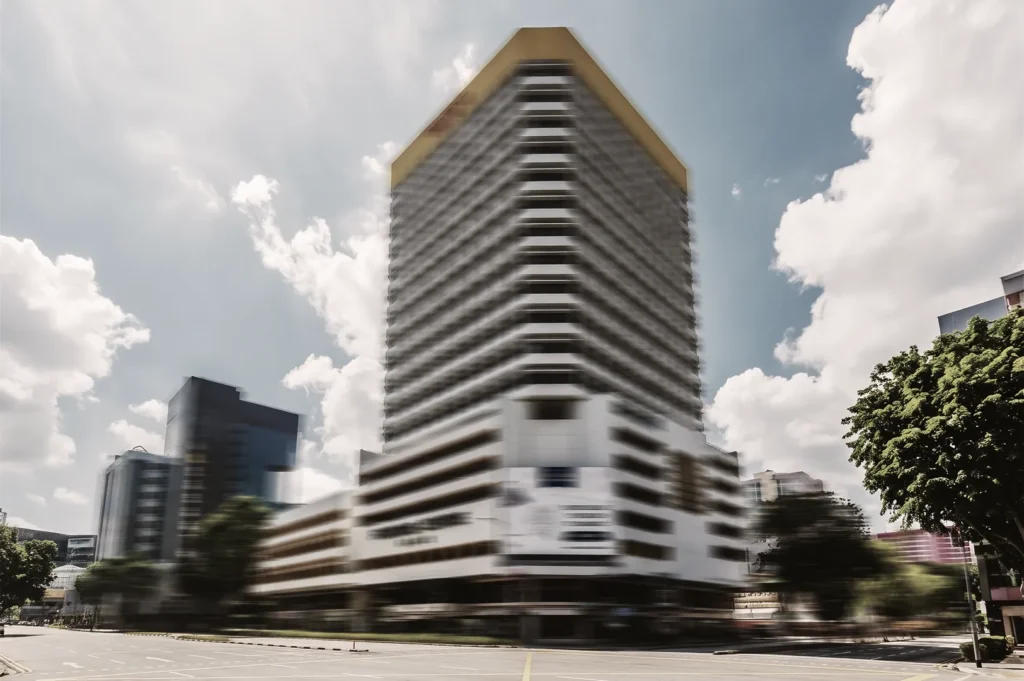
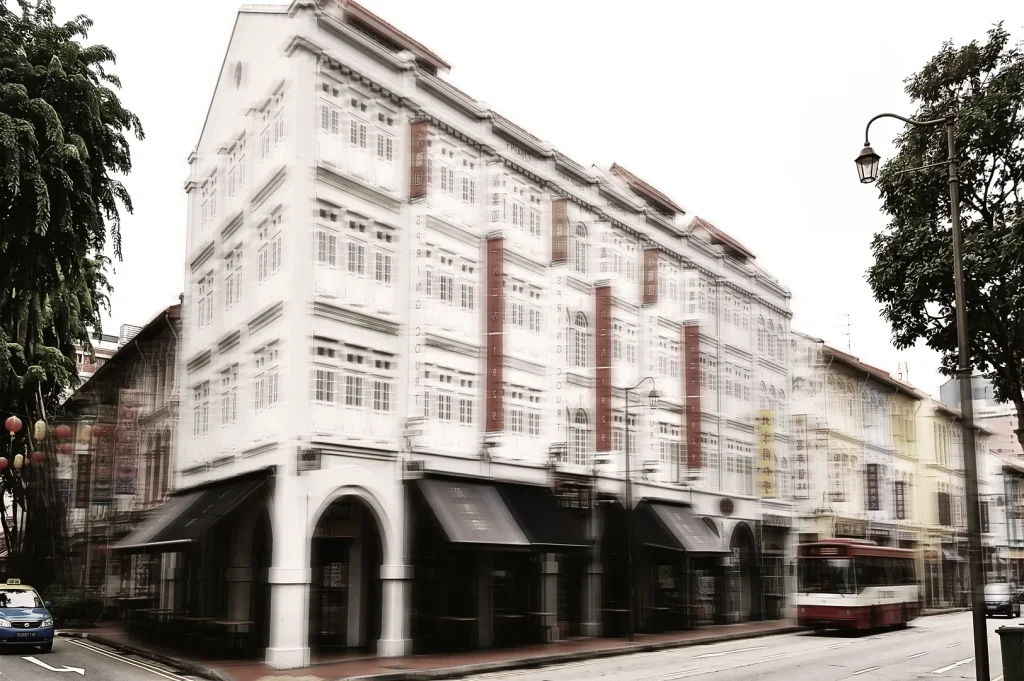
Fortune Centre is not beautiful in the way new buildings are. The tiles are worn. The signs are faded. Some shops have closed, their shutters pulled down and taped with notices.
But it holds things that glossier places can’t.
Sunday mornings. The smell of incense on a child’s shirt. A tailor who remembers which side is bigger. A stall worker who remembers a mother’s order long after the mother stopped coming.
It reminds me of how the people we love leave traces in the most ordinary places — something I’ve written about in the story of the night my father forgot my name and how familiar places helped us find our way back to each other.
I walked out into the heat that afternoon carrying nothing but the smell of sandalwood in my hair.
It was enough. The building had remembered her for me, at least for one more lunch.