The Tile by the Door Is Still Cool Where Kopi Used to Sleep
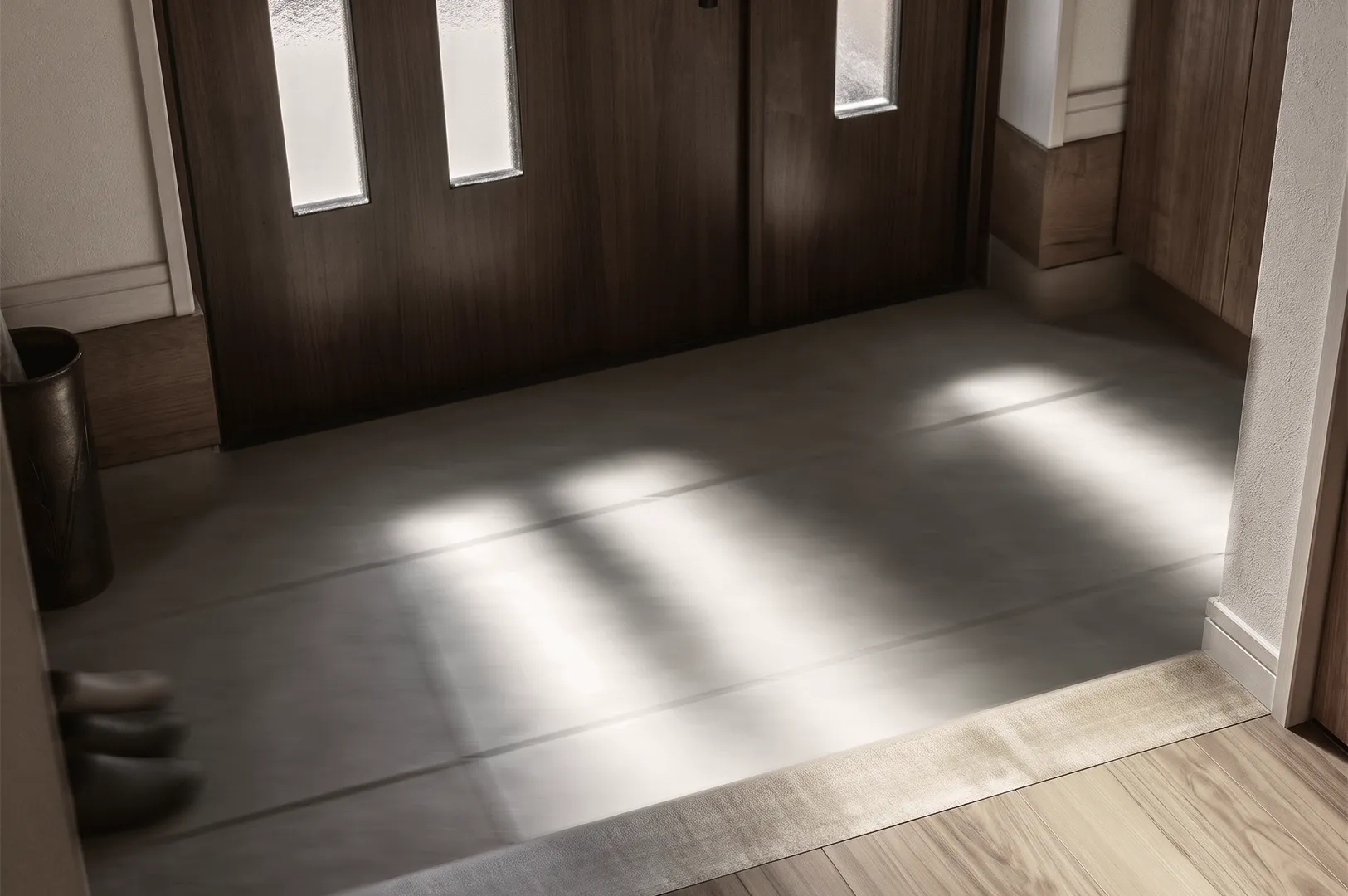
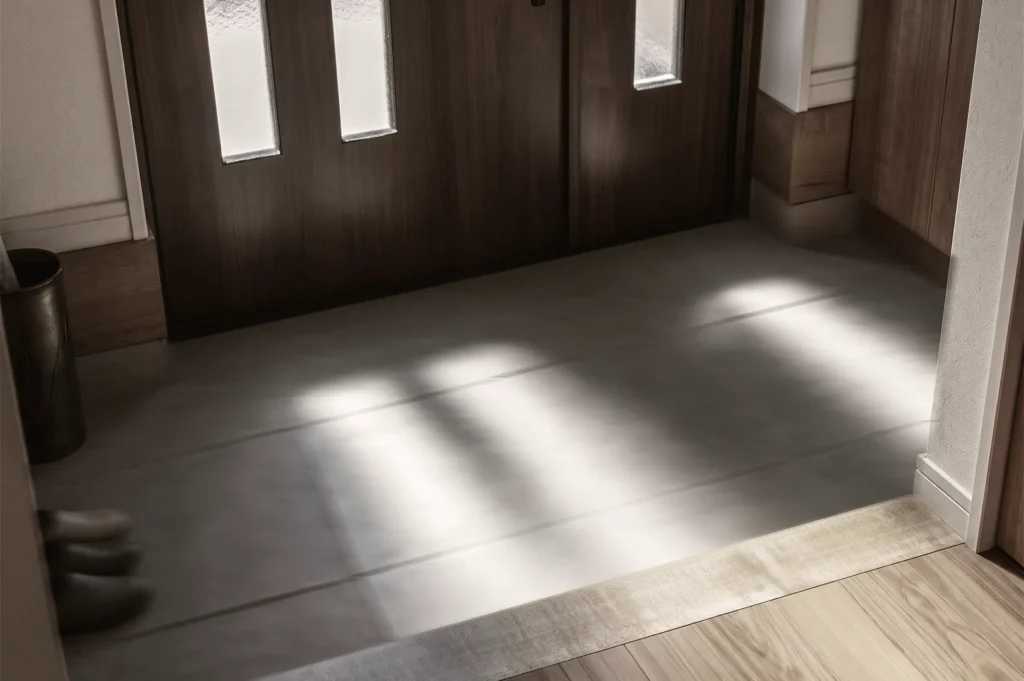
There is one floor tile by our front door that stays cooler than the rest.
I don’t know why. Something about the draft under the door, or the way the afternoon sun misses that corner. Kopi knew it before any of us did. For eleven years, that was where he slept.
He was a brown dog with one ear that stood up and one that never bothered. We named him after the color of his coat, and because my father said he was “strong, a little sweet, and best in the morning.”
That was true for all three.
The Sound Before the Sound
Kopi’s nails clicked on the floor. A quick, uneven rhythm, like someone typing with two fingers.
I didn’t notice it for years. It was simply part of the house, like the fridge humming or the gate rattling when the wind picked up.
What I did notice was how he heard things before we did.
At 6:40 every evening, he would lift his head from the tile. A full minute later, we’d hear my father’s motorbike turn into the lane. Kopi was already standing, tail sweeping the floor, nose pressed to the gap under the door.
He didn’t tell time. He told love, and it happened to keep a schedule.
How a Small Life Shapes a Day
A pet doesn’t change your life in big ways. It changes it in small, stubborn ones.
Because of Kopi, my mother left the back window open a crack so he could smell the rain. My brother learned to eat his toast standing up, guarding it with one hand. I learned to walk slowly in the evenings, because Kopi had to stop at every lamppost and read the news.
We didn’t plan any of it. He simply set the pace, and we followed.
Later, I came across research on how caring for an animal can ease stress and build daily routines that support our well-being. It made sense. Kopi gave our days a shape. Walks at dawn. Feeding at six. Someone always waiting at the door.
The Last Year
He grew slow. The clicking on the floor became softer and farther apart.
He stopped jumping onto the sofa. Then he stopped trying. He’d stand beside it, look up at me, and wait to be lifted. His body felt lighter every week.
But at 6:40, he still raised his head.
In those final months, my father’s memory had begun to slip too. Some evenings he forgot where he’d left his keys, or which day it was. Once, quietly, he forgot my name. I’ve written about the night my father forgot my name and how shared stories helped us find our way back to each other.
What I didn’t write then was this. On the days my father seemed far away, he always remembered Kopi.
“Where’s the boy?” he’d ask, and the dog would shuffle over and lean against his leg.
Two old souls, holding each other up without saying a word.
The Quiet After
Kopi died on a Thursday morning, on his tile by the door.
We buried his collar in a pot of mint on the back step, because my mother said he’d always liked to sniff it.
The house didn’t feel empty right away. That came later, in small doses.
The first evening, at 6:40, I looked up from the sofa without knowing why. The lane was silent. Then the motorbike came, and nobody stood at the door.
I kept stepping around the tile for weeks. I’d reach down to scratch an ear that wasn’t there. I’d hear nails on the floor and turn, and it would be the ceiling fan, or rain, or nothing.
Grief for a pet is real grief. It took me a long time to accept that. Reading about how mourning often arrives in waves, set off by ordinary routines and familiar places helped me understand why the hardest moments weren’t the big ones. They were the habits with nowhere left to go.
What Stays
It has been four years now.
The pot of mint has grown wild. My mother still leaves the back window open a crack when it rains. My father, on his better days, still asks where the boy is.
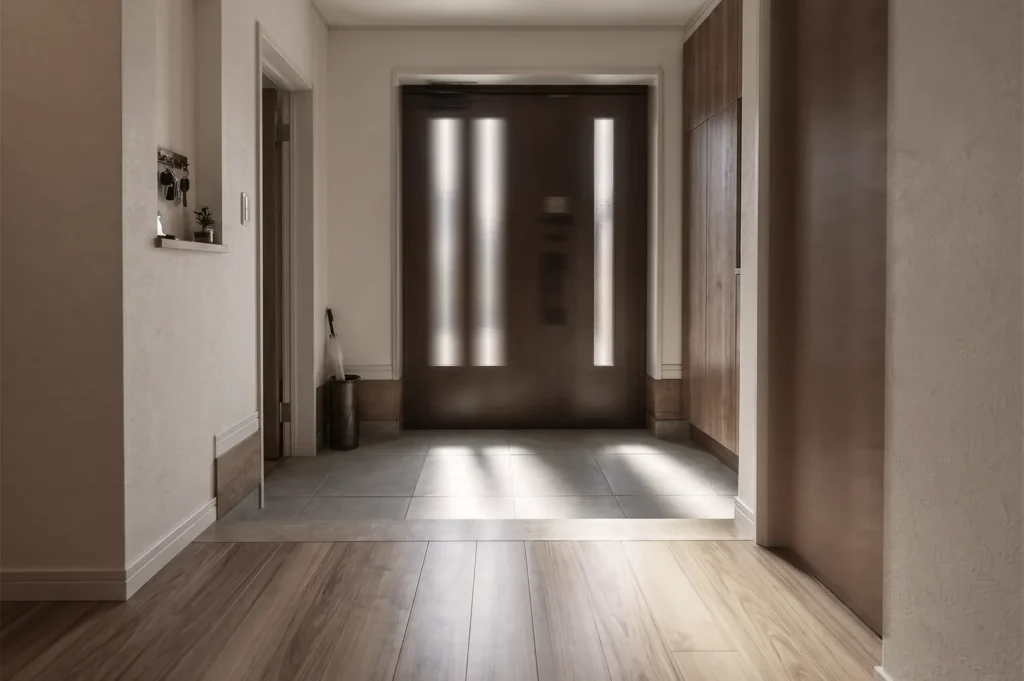
And sometimes, on warm afternoons, I lie down on that cool tile by the door.
It’s a little silly. I know that. But from down there, you can see the house the way Kopi did. The legs of the dining chairs. The light under the door. The whole family passing through, coming and going.
It reminds me of those rare evenings when the house went still and we finally noticed one another. Kopi lived like that every day. He simply waited, and watched, and loved whoever walked in.
A sleeping spot. The click of nails. A head lifting at 6:40.
That’s all he left behind.
It turns out to be more than enough.