The rice arrived warm, not hot.
A small mound in a small bowl. On top, a spoon of salmon roe, each bead bright and taut. Beside it, sea urchin, pale gold, soft at the edges. Nothing else.
I waited a moment before eating. The chef across the counter didn’t watch me. He was already wiping his knife.
Some dishes ask you to slow down before you’ve even lifted the spoon.
A Boy by the Lakes
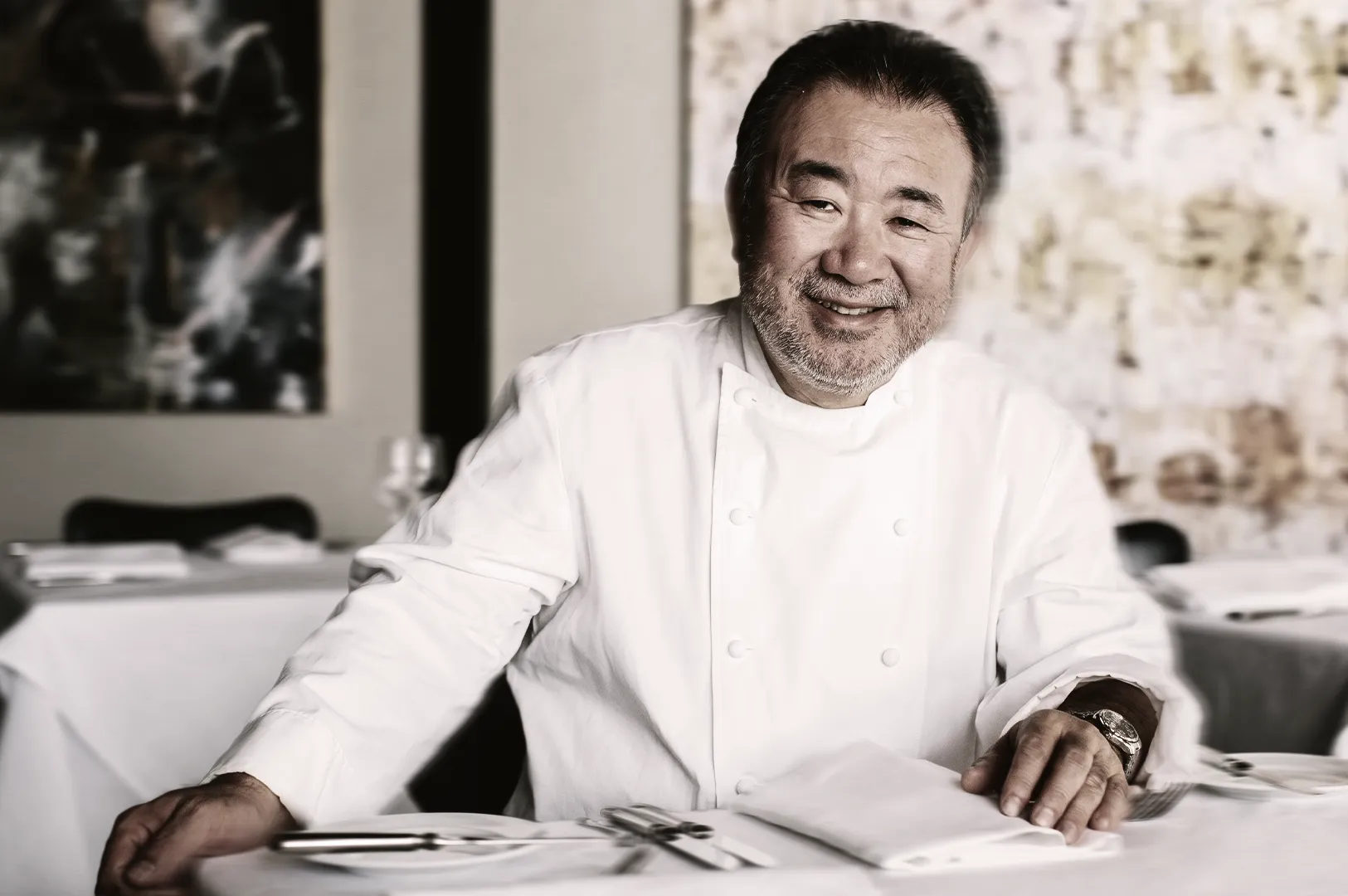
Tetsuya Wakuda grew up in Hamamatsu, a city in Shizuoka Prefecture, close enough to Mount Fuji that the mountain is part of the sky.
As a boy, he spent long hours fishing in the prefecture’s lakes. Cold water, early mornings, a line held still. It’s easy to picture him there, learning patience before he knew it had a name.
Many chefs speak of a first memory of food. For Wakuda, it seems the memory came before the kitchen. It began with the water, and with waiting for something to rise.
Kitchen Hand, Surry Hills
In 1982, he left Japan for Australia.
He didn’t arrive as a chef. His first job was as a kitchen hand at Fishwives in Surry Hills, Sydney. He washed pans, carried crates and stood at the edges of other people’s cooking, watching.
A year later, a chance meeting with chef Tony Bilson changed his path. Wakuda became the sushi chef at Kinsela. In that kitchen, he learned classical French technique: the patience of a good stock, the discipline of a sauce.
That meeting of two traditions became his own.
Japanese restraint, French structure. Neither one swallowing the other.
A Name on a Door
By 1989, he had opened his own restaurant, Tetsuya’s.
It became one of Sydney’s most loved dining rooms and appeared again and again on the World’s 50 Best Restaurants list. Yet the food never chased attention. It stayed quiet and seasonal. It looked carefully at what was already good.
Then, in 2010, he came to Singapore.
Waku Ghin: Ten Seats of Attention
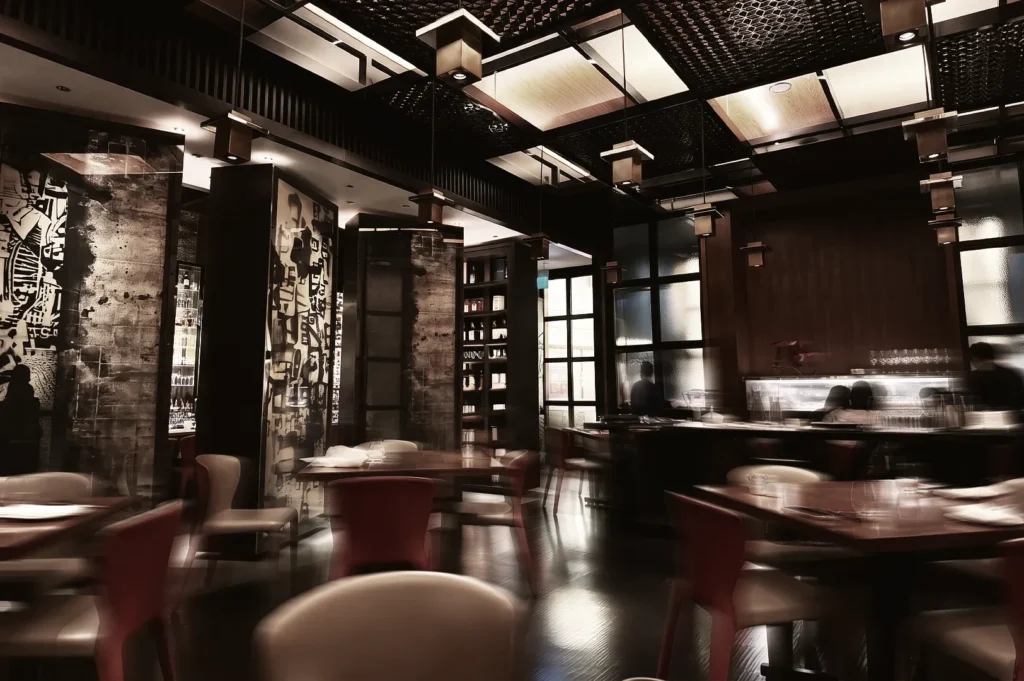
Waku Ghin sits inside Marina Bay Sands. Step through the door, though, and the casino noise falls away.
The space was designed by Japanese designer Yohei Akao. Its lines are simple. The wood is warm, and small natural details reward a second look. Nothing competes with the counter.
The menu moves with the seasons. Each course comes from a long habit of looking at a familiar ingredient and asking what else it might become.
The salmon roe and sea urchin with rice is a quiet dish. The roe bursts cleanly. The urchin is sweet and faintly briny, and the rice holds it all together.
The WG grilled Wagyu beef arrives set on rice as well. It’s seared just enough. The fat softens into the grains below.
For those marking an anniversary or a long-awaited evening, the Chef’s Table offers an omakase-style menu shaped around the guest. You can reserve a seat at Waku Ghin through Marina Bay Sands.
The restaurant holds one Michelin star in the Singapore guide for 2024 and 2025. It has also held the Forbes Travel Guide Five Star rating every year from 2015 to 2025. If you’d like to understand how the dining room has changed over time, there is a thoughtful account of Waku Ghin’s reopening and redesign worth reading.
Still, the awards say less than the room does. Knife click. Rice settling into the bowl. A nod.
Wakuda: A Lighter Evening
In April 2022, Wakuda Restaurant & Bar opened nearby.
It feels looser here, more contemporary. There’s conversation at the bar and the glow of glasses being filled. The ingredients still travel far. They come from Australia, Europe, Japan and New Zealand, a map of where the chef has lived and worked.
The WAKUDA Yuba is the dish people speak of first. Fresh beancurd skin from Kyoto is folded with Hokkaido sea urchin and mountain caviar. The yuba is silken and almost milky. The urchin brings the sea, and the mountain caviar adds a faint crunch from somewhere inland.
Sea and mountain in one spoon.
It made me think of a boy fishing below Mount Fuji.
What Hands Remember
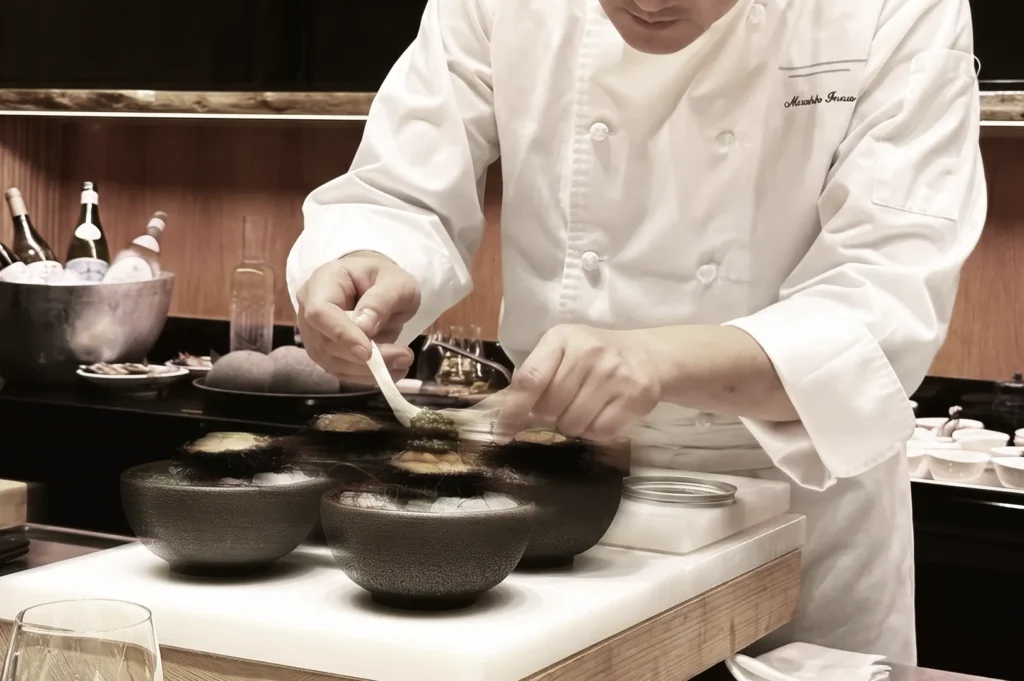
Chefs like Wakuda carry their beginnings with them, even when the menu looks nothing like home.
It’s the same instinct I found in how Chef Damian D’Silva keeps Singapore’s heritage flavors alive through memory. Their cuisines differ. Their reverence for what came before does not.
I thought, too, of my father. Some nights now, he doesn’t know my name. I wrote about that in the night my father forgot my name. But when he eats something from his childhood, his hands slow down. He holds the bowl a little closer.
The body keeps what the mind lets go.
Maybe that’s what a counter like Waku Ghin’s offers. It isn’t spectacle. It’s a place where memory is handled with care: the lake, the cold morning, the long years of learning, all placed quietly in front of you.
The Last Spoonful
I finished the rice slowly. The bowl was still faintly warm.
The chef had already moved on to the next guest. He was turning a piece of fish under the light, looking at it the way you might look at an old photograph.
Outside, the bay glittered and the crowds moved past. Inside, it was still.
He left home to learn to cook. In the end, every plate leads him back.