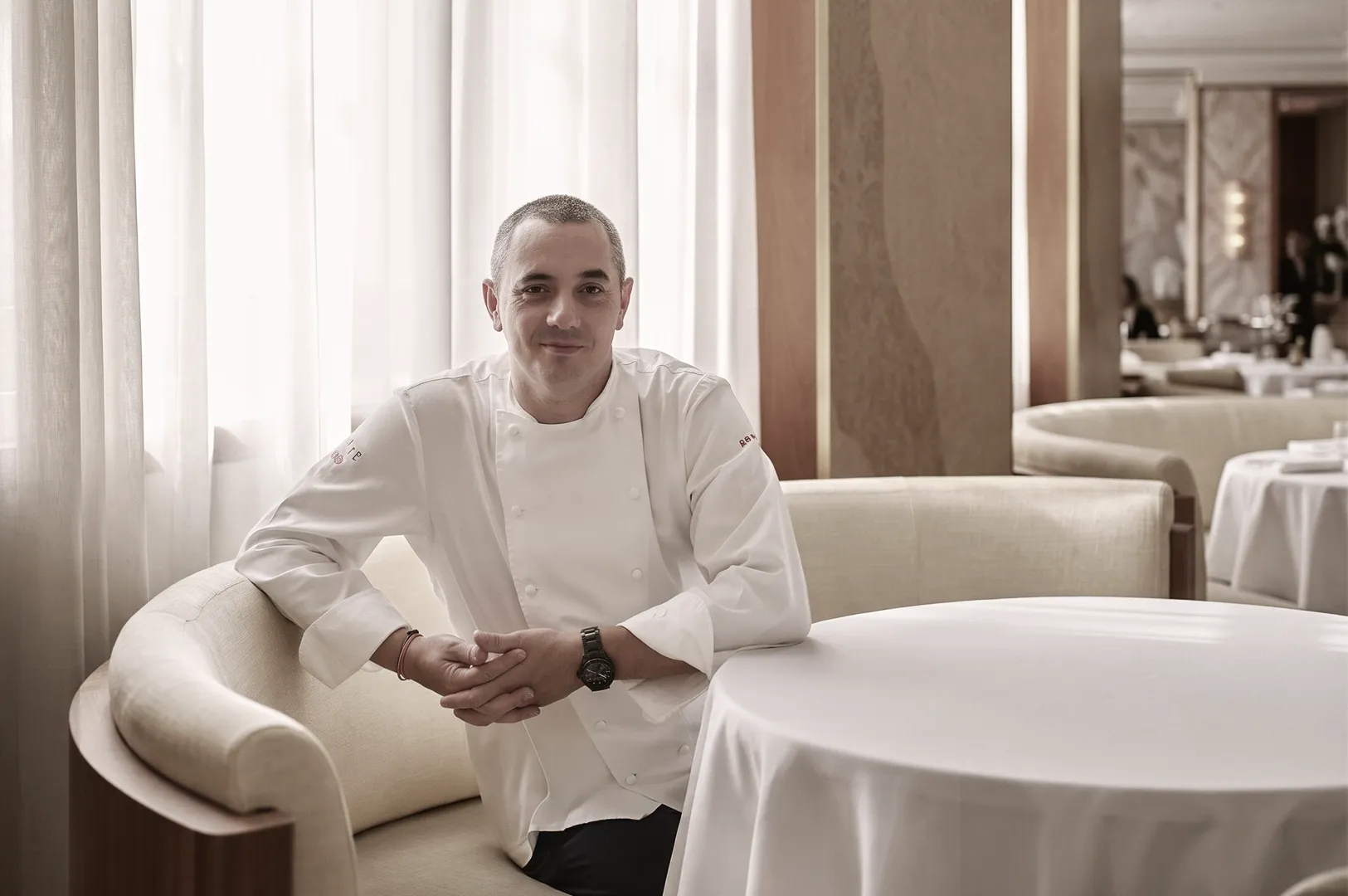
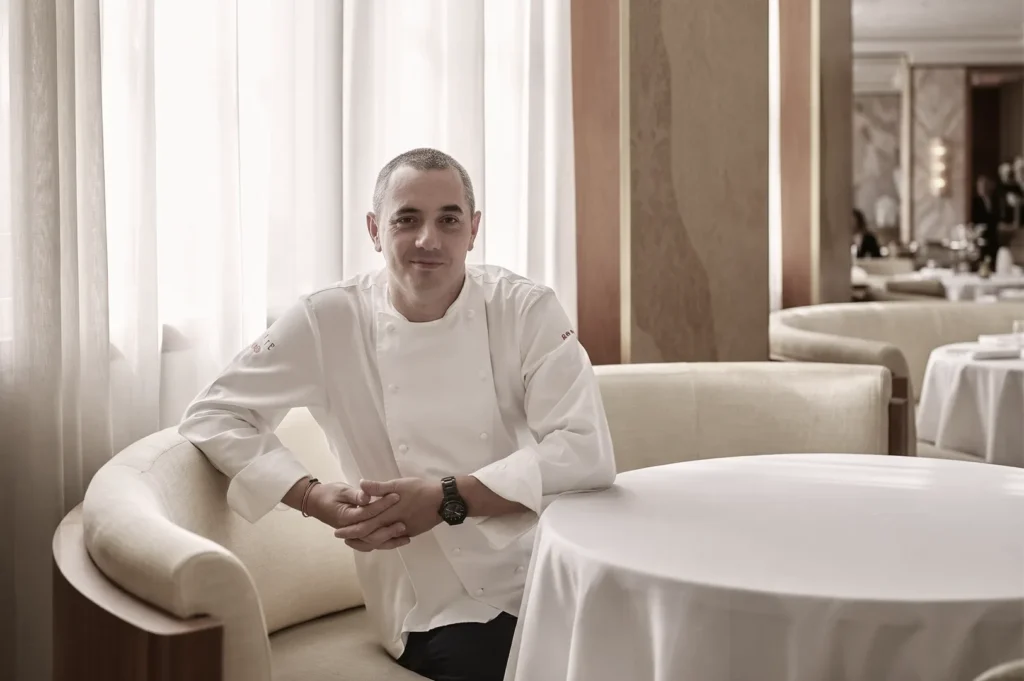
The first thing you notice at Odette is the quiet.
It isn’t the stiff, careful quiet of a museum. It’s softer than that. The room glows in pale shades of blush and cream, and the light falls gently, as if it had asked permission first. Outside, across the Padang, the city keeps its usual pace. In here, the clocks seem to have been told to slow down.
I came on a weekday afternoon with no special reason. No birthday. No anniversary. Just a feeling that I wanted to sit somewhere unhurried and let someone else’s memory feed me for a while.
Some kitchens cook food. A few cook the past.
A Boy From the Auvergne
To understand Julien Royer, you have to picture a farm in the Cantal, in France’s rugged Auvergne region.
It’s a place of high pastures and volcanic hills, where cows graze on wild grass and the winters arrive early. Royer grew up there, in a family that worked the land. Meals followed the seasons because there was no other way to eat. Vegetables came from the garden. Cheese came from down the road. Nothing arrived wrapped in plastic from somewhere far away.
That childhood still lives in his cooking. Respect for produce isn’t a trend to him. It’s the first language he ever learned.
He later trained under some of France’s most respected chefs, including the great Michel Bras, whose cooking drew its soul from those same Auvergne hills. From Bras, Royer learned that a plate could be precise and wild at the same time. That a single herb, picked at the right moment, could say more than a page of technique.
He brought that lesson halfway around the world, to Singapore.
The Woman Behind the Name
Every restaurant has a name. Few have a person standing quietly behind it.
Odette was Julien Royer’s grandmother.
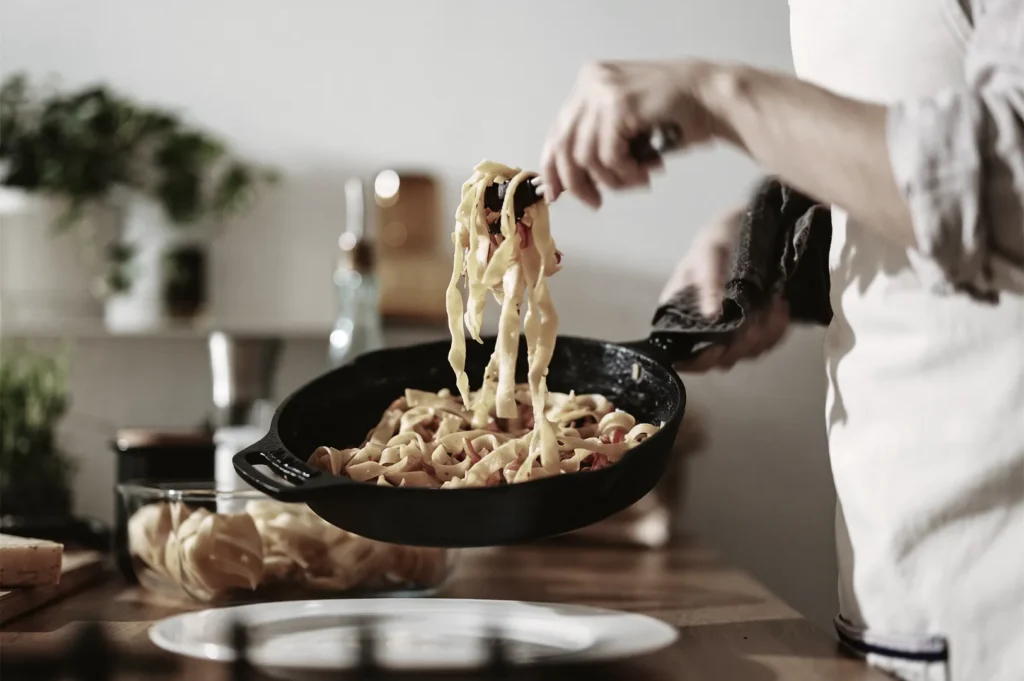
She was the one who first showed him that cooking was a form of care. In her kitchen, food wasn’t about impressing anyone. It was about gathering people. About feeding them well, simply, and with love. It was about the smell of something slow on the stove on a Sunday, and the patience it takes to wait for it.
When Royer opened his own restaurant in 2015, he named it after her. It’s a small act, really. A word on a door. But it tells you almost everything about the kind of chef he is.
He didn’t name his restaurant after an idea. He named it after a memory.
You can read more about Julien Royer’s journey from rural France to the kitchens of Singapore on Odette’s own pages. But sitting in that pale pink room, I didn’t need the timeline. I could taste the grandmother in the bread.
A Courthouse Turned Gallery, a Gallery Turned Home
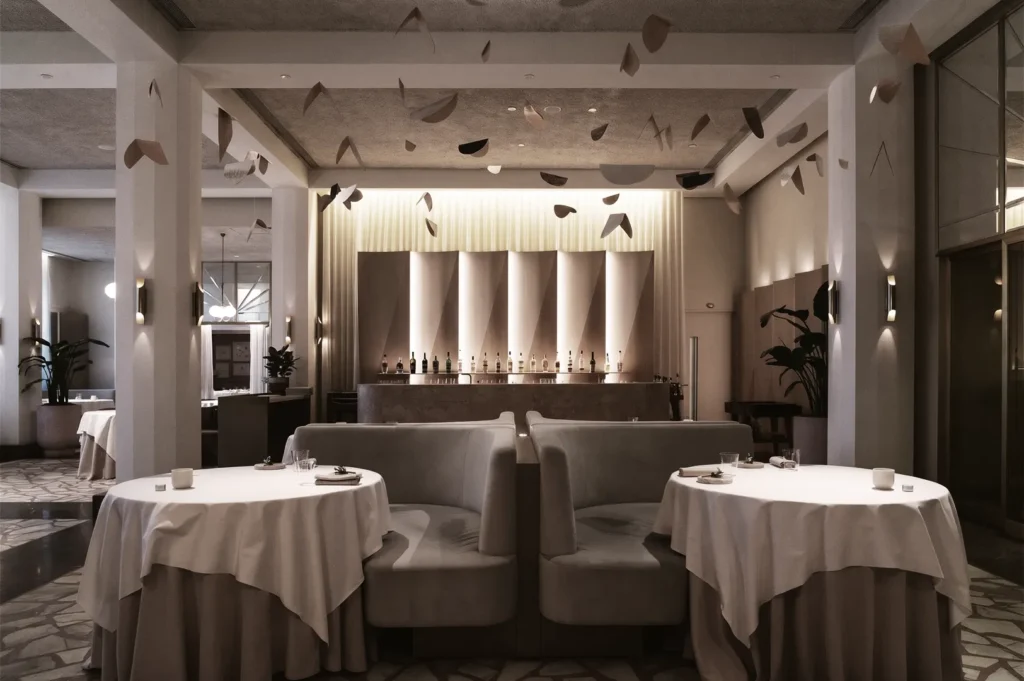
Odette sits inside the National Gallery Singapore, in a building that once held the old Supreme Court.
Think about that. A place where judgments were handed down, where serious men in robes decided serious things. Now its rooms hold paintings, children on school trips, and a restaurant where people come to feel something gentle.
I like that the building changed its mind about what it was for.
The dining room doesn’t fight its grand surroundings. It softens them. The colors are muted and warm. The tables are spaced wide enough that conversations stay private. Staff move through the room with an ease that feels practiced but never rehearsed.
It feels less like a temple to fine dining and more like a beautiful home where someone has been expecting you.
What He’s Known For
Julien Royer’s name now carries real weight in the food world.
Odette earned three Michelin stars in 2019, the highest honor the guide gives. That same year, it was named the No. 1 restaurant on Asia’s 50 Best Restaurants list, and it held that top spot again in 2020. For a restaurant that had only opened a few years earlier, it was a remarkable rise.
But awards are only the outline. What fills it in is the way he cooks.
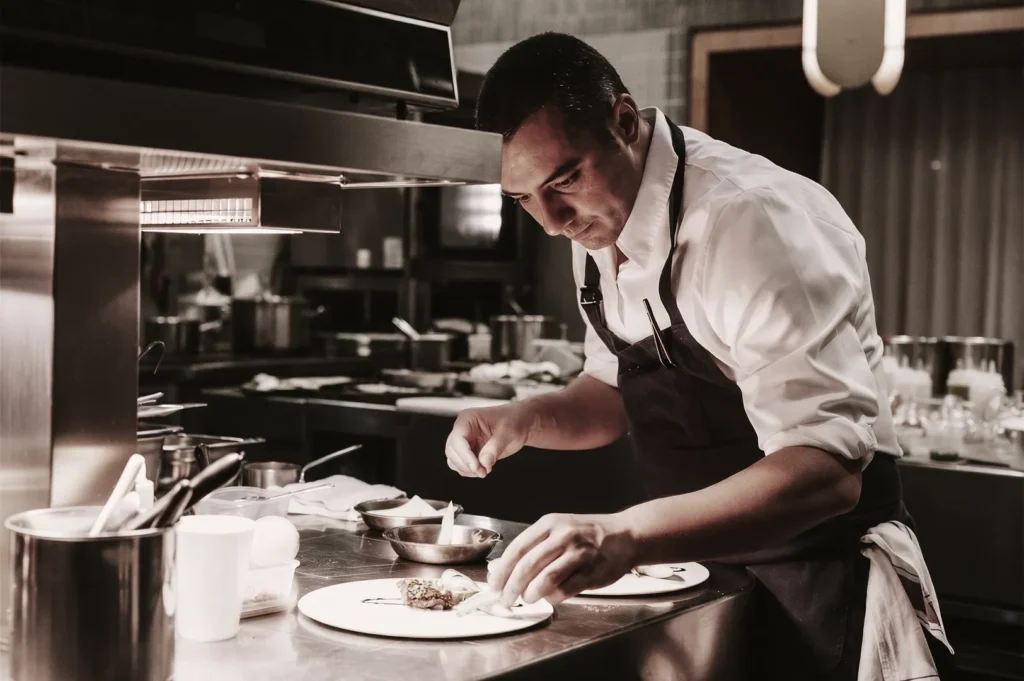
His food is rooted in classic French technique, the kind that takes years of discipline to master. Sauces that are glossy and deep. Pastry that shatters just right. Proteins cooked with almost unnerving precision.
Yet nothing on the plate feels cold or showy. Royer is known for building dishes around emotion and personal story. A course might begin with a memory of a garden, a market, a family table. He works closely with small producers and farmers, and the ingredients are allowed to speak first.
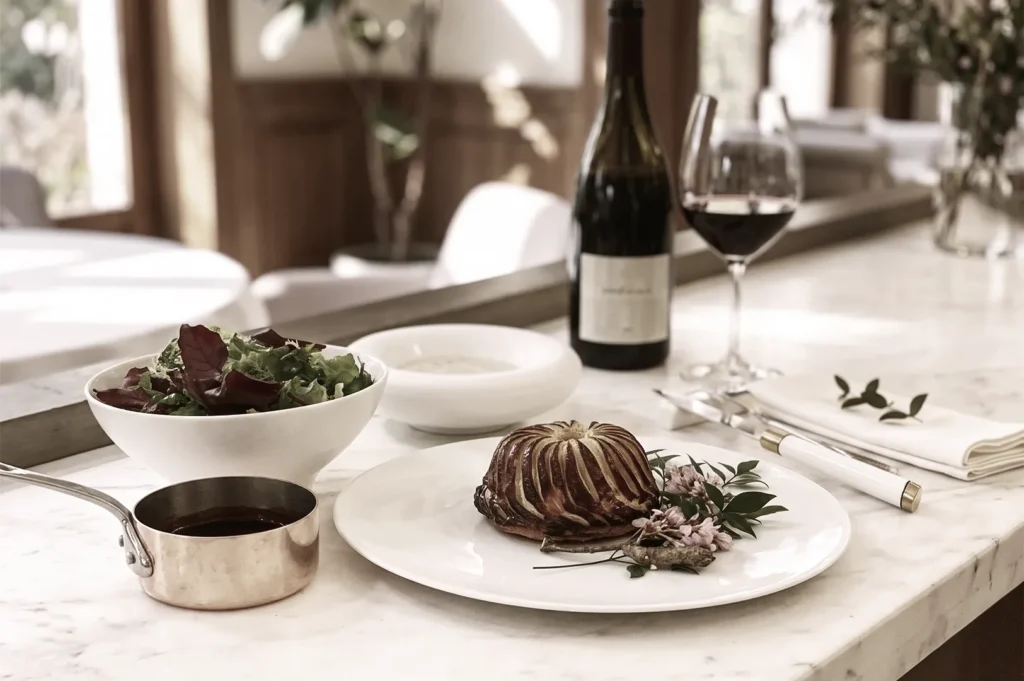
There’s a beetroot dish he’s become known for, a study of one humble root vegetable shown in many textures and shades. It arrived on my plate looking like a small, jeweled landscape. Earthy. Sweet. A little sharp. It tasted like someone had taken the plainest thing in a farmhouse cellar and decided it deserved a stage.
That’s his gift. He takes ordinary things seriously.
The Taste of Someone Else’s Sunday
Halfway through the meal, something odd happened.
A small course arrived, simple and warm, and I took a bite without thinking. And suddenly I wasn’t in Singapore at all. I was in my own grandmother’s kitchen, years ago, sitting on a stool too high for my feet to touch the floor. She was stirring something on the stove and humming a song I’ve never been able to name.
The dish tasted nothing like her cooking. Not one ingredient was the same.
But it carried the same feeling. The feeling of being fed by someone who wanted you to stay a little longer.
I think this is what Royer understands that many chefs don’t. Memory isn’t really about flavor. It’s about care. When food is made with real attention, it unlocks the drawers where we keep our own people, even if they’re nothing like the people the chef was thinking of.
It made me think of other cooks in this city who carry family kitchens inside them. I’ve written before about how Chef Damian D’Silva keeps Singapore’s heritage flavors alive through memory, turning recipes passed down by elders into living stories on a plate. Different cuisines. Different grandmothers. The same quiet devotion to the ones who taught them.
A Frenchman Who Found Home Here
Royer has lived in Singapore for well over a decade now. He arrived as a young chef with French roots and a strong sense of where he came from. Over the years, the city has become part of his story too.
He’s spoken warmly about the island’s food culture, its markets, its hawker centers, and its love of eating well at every price. If you’re curious about how he sees the city outside his own kitchen, there’s a lovely look at Julien Royer’s personal guide to eating in Singapore that reveals a chef just as happy with a humble local dish as with a tasting menu.
That openness shows in his work. His cooking stays faithful to France, but it doesn’t close the door on where he now lives. Ingredients from across Asia find their way onto the menu. The result feels neither strictly French nor strictly local.
It feels like a man who carries one home in his memory and another under his feet.
The Last Course
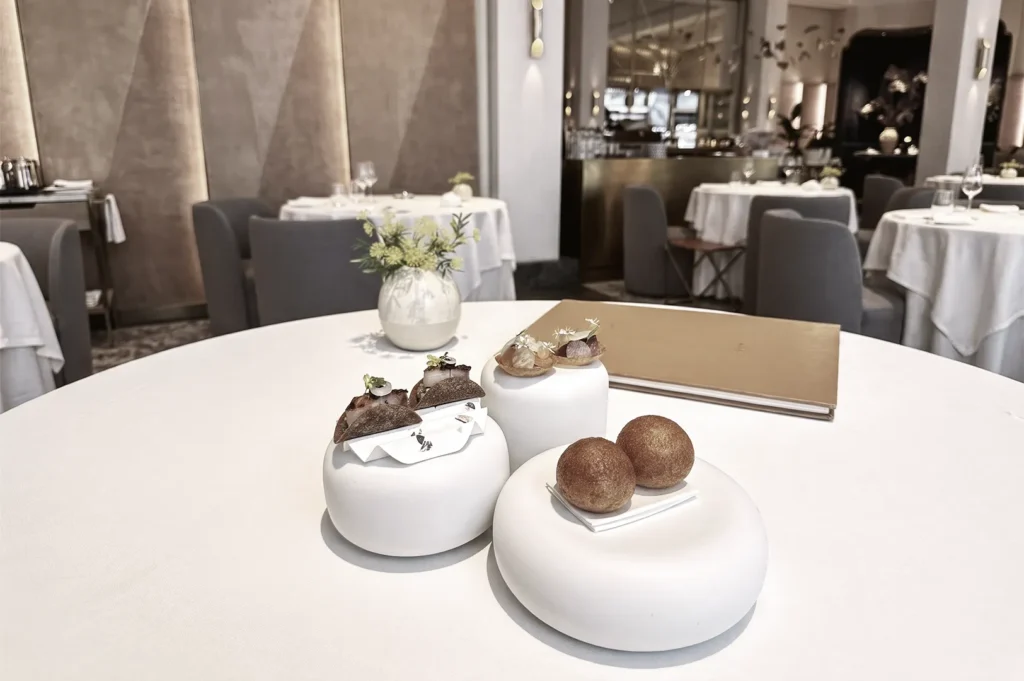
By the time dessert came, the afternoon light had shifted. It came in lower now, warmer, catching the edges of the glassware.
I didn’t want to leave. That’s the strange thing about a meal like this. It isn’t the richness that holds you. It’s the pace. Nobody had looked at a watch all afternoon. Nobody had asked me to hurry.
I thought about a farm in the Auvergne. A boy watching his grandmother cook. A name written on a door, thousands of miles away, in a building that once judged people and now simply welcomes them.
Julien Royer has earned every honor a chef can hope for. But what he’s really built is a room where memory is allowed to sit down at the table.
I walked out onto the steps of the gallery and into the heat. Across the field, the city was moving fast again.
I let it. For a few more minutes, I stood still, holding onto a taste that wasn’t even mine to remember.
Somewhere, I think, Odette would have been pleased.