We Kept the Afternoon in a Photograph
There is a photograph
of my father laughing
before any of us knew
we would someday study his face
for clues.
He is standing
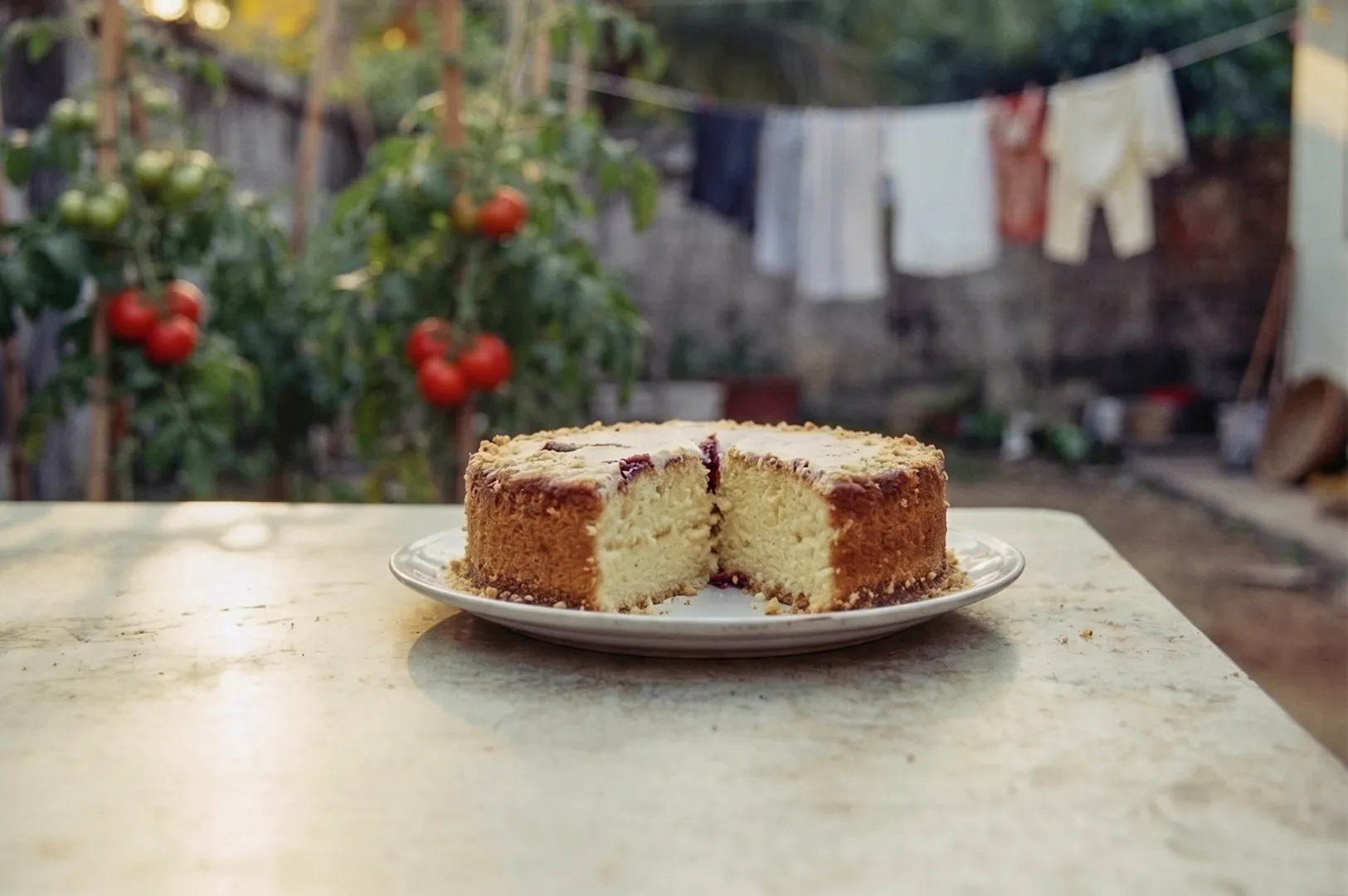
beside a table in the garden.
Someone has cut a cake.
Someone else
has forgotten to move
the washing from the line.
Nothing important
is happening.
That is why
the photograph matters.
No wedding.
No graduation.
No candles marking
a remarkable age.
Only an afternoon
that nobody thought
needed remembering.
Years later,
I placed the photograph
in front of him.
He held it carefully
by the corners.
“Who is that?”
I almost asked.
But the question
stopped behind my teeth.
I had learned
that memory does not like
being summoned
as though it were late
for an appointment.
So instead I said,
“The garden looked good.”
He studied the picture.
For a long time
there was nothing.
Then,
“Tomatoes,”
he said.
I looked again.
Behind the laughing man,
behind the cake,
behind three people
whose names he could no longer find,
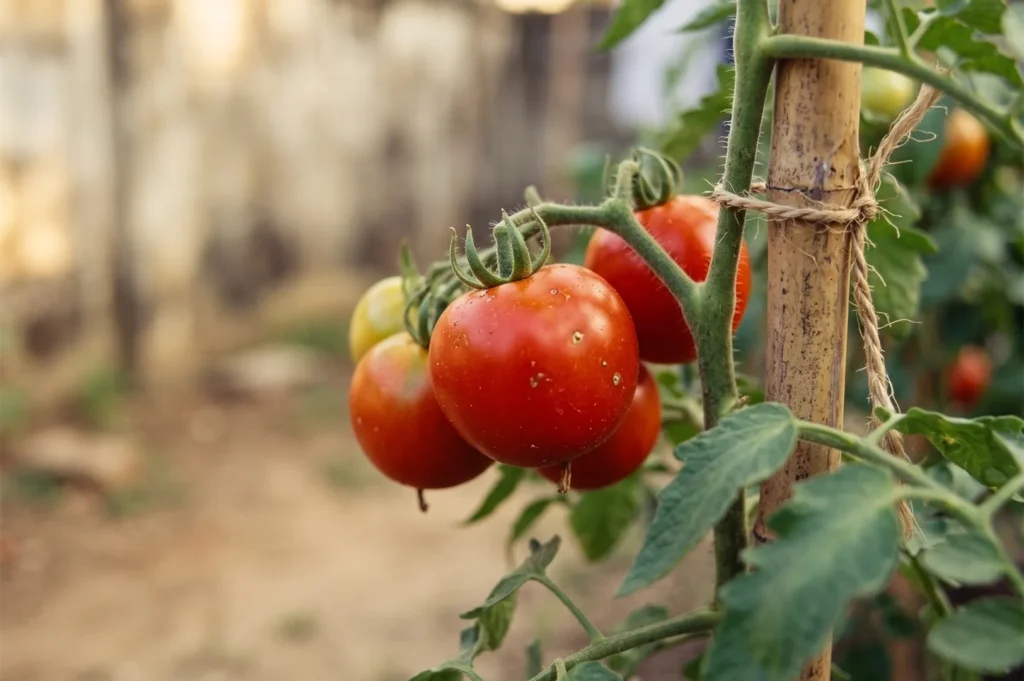
there were tomato plants
climbing wooden stakes.
“Too many that year,”
he said.
And suddenly
the photograph opened.
He told me
about jars on the kitchen counter,
about giving tomatoes
to a neighbour,
about my mother complaining
that every meal
had become tomato soup,
tomato sandwiches,
tomato everything.
He laughed.
Not because
he remembered the photograph.
Because he remembered
the tomatoes.
That was enough.
Perhaps this is how
we should approach
the past:
not as detectives
searching for missing facts,
but as visitors
waiting quietly
for someone to open
the door they still can.
Sometimes
a melody does it.
Sometimes
a familiar spoon.
A coat.
A recipe.
The scent of soap.
Research into reminiscence and memory-based activities suggests that familiar stories and personal prompts may support communication and connection for some people,
but sitting there
beside my father,
I was not thinking
about research.
I was thinking
about how easily
an ordinary afternoon disappears.
We photograph birthdays
because we know
they matter.
Perhaps we should also photograph
Tuesday mornings.
Shoes beside the door.
A favourite cup.
Someone standing
at the sink.
The garden
before it changes.
The chair
before it becomes empty.
A person’s life
is mostly made
of things no one thinks
to preserve.
That afternoon,
my father returned
the photograph.
He still could not tell me
the name of the man
laughing beside the cake.
I did not correct him.
We talked about tomatoes
until dinner.
And somehow,
that felt closer
to remembering.
If this poem stayed with you, continue with The Night My Father Forgot My Name, a reflection on what can remain when a familiar name is suddenly gone.