Eighteen Pleats: What My Mother’s Hands Knew That I Am Still Learning
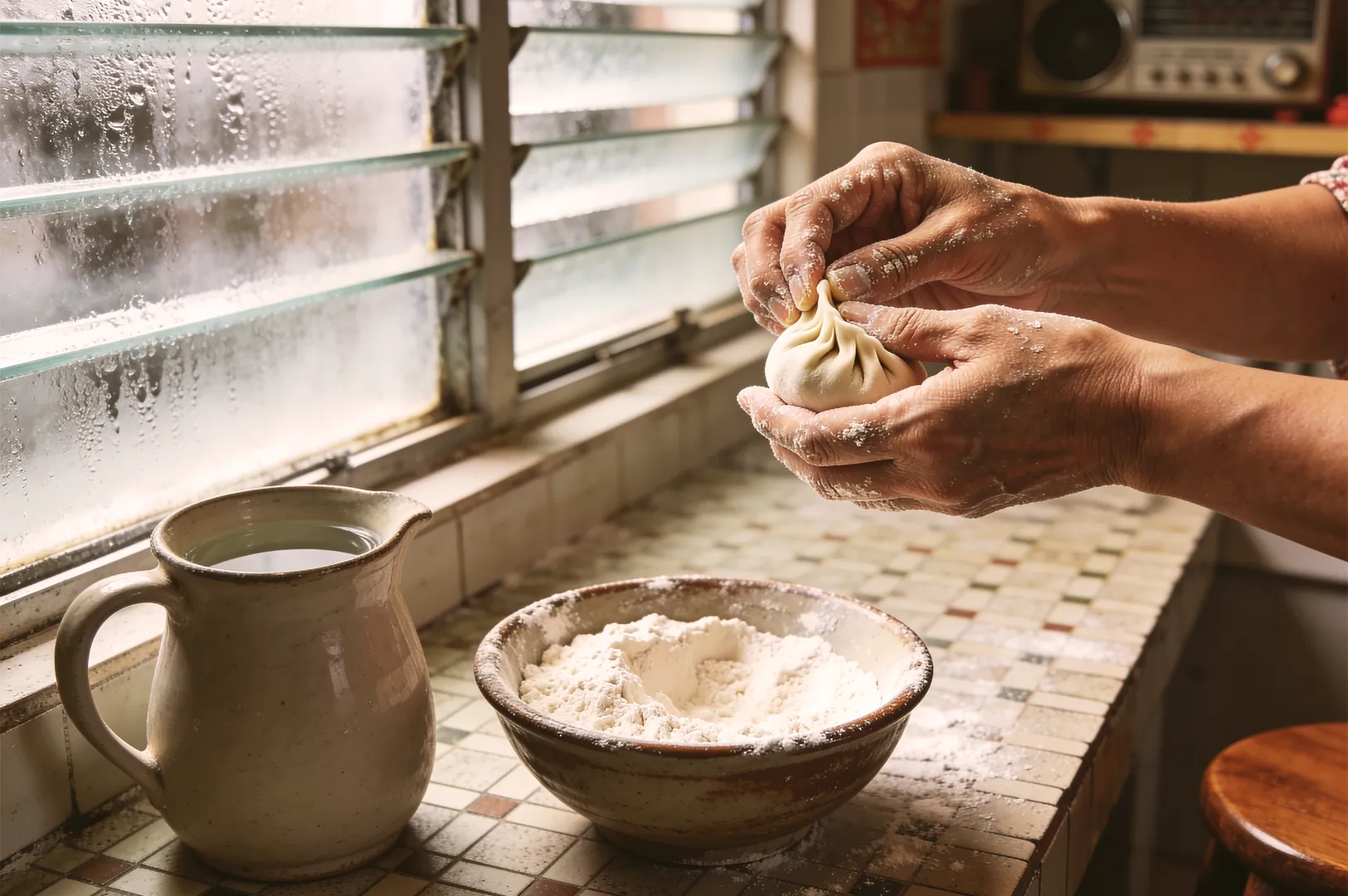
It was the night before the new year. The kitchen window had fogged over, and the radio was playing something no one was listening to.
My mother stood at the counter with a bowl of flour, a jug of water, and nothing else. No recipe. No measuring cup. Just her hands.
I was seven. I had been told to sit on the stool and not touch anything. So I watched. That was the first lesson, though I didn’t know it then.
Some things are taught. Most things are watched.
The Dough Before the Story
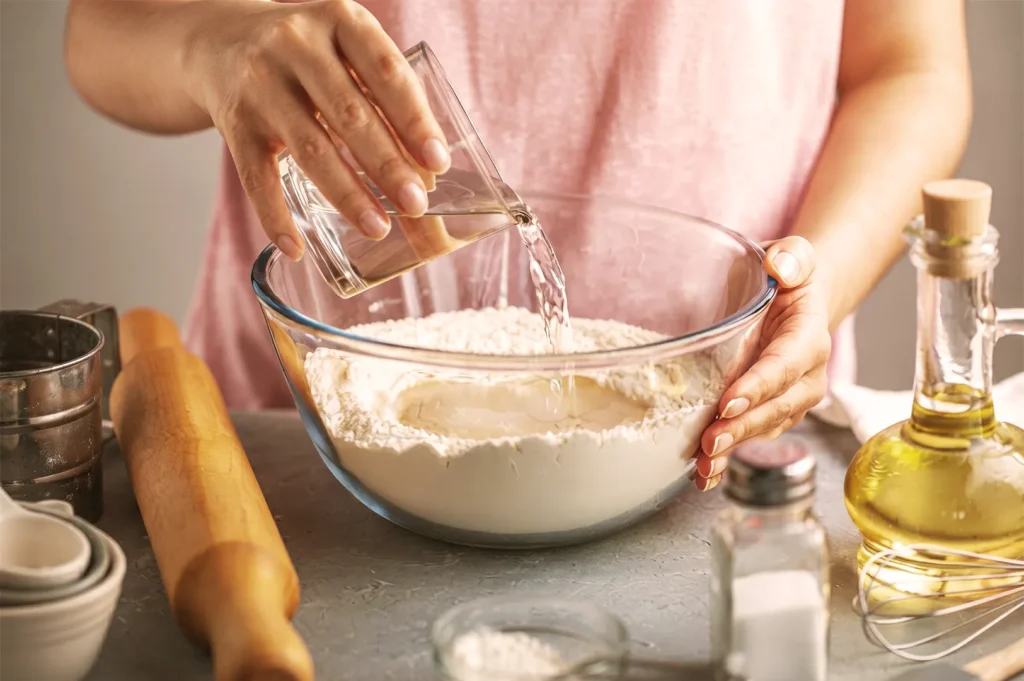
She poured the water in slowly and worked the flour until it gathered into something rough and shaggy. Then she kneaded. Push with the heel of the palm. Fold it back. Turn a quarter. Push again.
There was a rhythm to it. Not fast. Not slow. The kind of pace you only find after doing something a thousand times.
I asked how she knew when it was ready.
She didn’t look up. “It tells you,” she said.
I thought she was teasing me. I understand now that she wasn’t. When the dough was smooth and cool and a little springy, she covered the bowl with a damp tea towel.
“Dough needs time,” she said. “Like people.”
Eighteen Pleats
The filling was pork and cabbage, squeezed dry by hand, with ginger, white pepper, and sesame oil. She stirred it clockwise only. Always clockwise. I never found out why, and now I can’t ask.
She’d cup a wrapper in her left palm, drop in a spoonful of filling, and begin to fold. Her right thumb and forefinger pinched and pleated along the edge, quick and sure, like she was sewing without thread.
I counted once. Eighteen pleats. Every single dumpling.
My first attempt looked like a crumpled letter. The wrapper tore. I had managed maybe four pleats before it all fell apart.
She didn’t fix it. She placed it on the tray beside hers, in the same neat row, as if it belonged.
“That one’s yours,” she said. “We’ll know which one when we eat it.”
We did. It burst open in the pot. She ate it anyway.
Hands That Held Everything
I didn’t pay much attention to my mother’s hands when I was young. Children rarely do.
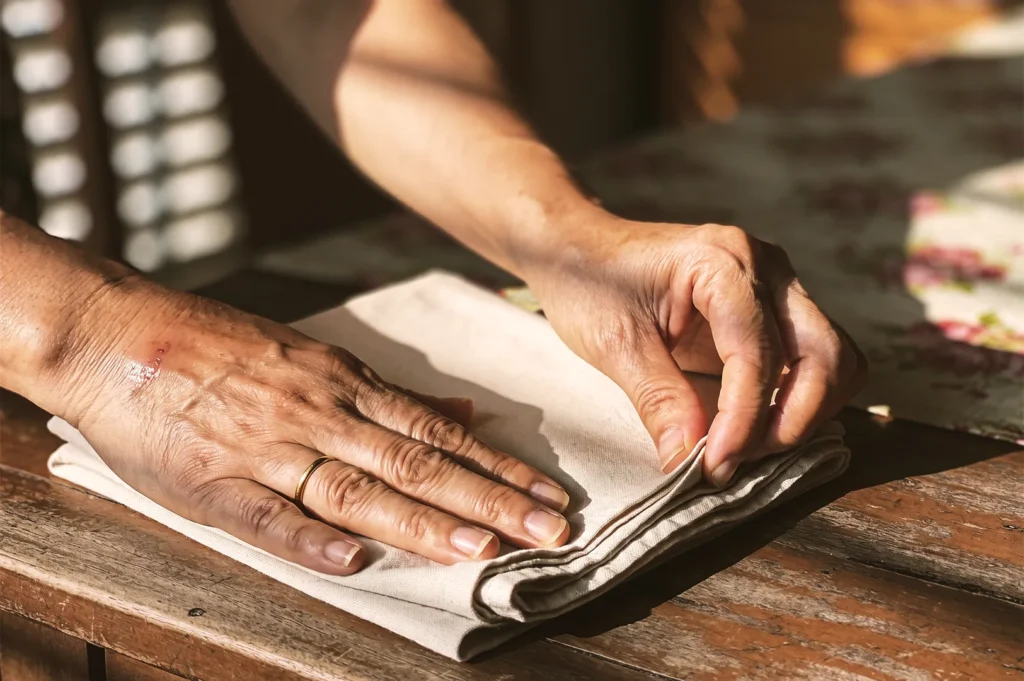
But if I close my eyes, I can see them clearly now. A burn scar on the right wrist, pale and shiny. Short nails, always. A thin gold ring she never took off, even when kneading.
Those hands braided my hair before school. They tested my forehead for fevers. They pressed coins into mine when I left for university and said nothing about it.
Her hands were how she said the things she didn’t have words for.
She didn’t say I love you often. She didn’t have to. It was folded into every pleat.
Why Some Things Must Be Made Slowly
I went years without making anything by hand. Small apartments. Long hours. Frozen dumplings at midnight.
They filled me. But they never tasted like anything I remembered.
It wasn’t the filling or the flour. It was the missing time. Something made slowly carries the hours inside it. You can taste patience. You can taste attention. You can taste the fact that someone stood at a counter and thought about you for an afternoon.
Scholars who study food culture and intangible heritage describe handcraft traditions as a form of living cultural memory — where knowledge is preserved not in writing, but in the repeated gestures of the body passed from one generation to the next. That is exactly what my mother’s kitchen was. A workshop. A classroom. A place where something real was being kept alive.
What the Body Remembers
My mother passed three winters ago.
For months, I couldn’t go near flour. Then the night before the new year, I found myself at the supermarket holding a bag of it. I don’t remember deciding to buy it.
At home, I poured it into a bowl. And my hands knew. I hadn’t made dumplings in over a decade, but my fingers found the rhythm. Push. Fold. Turn. Push again.
This is what educators call embodied knowledge — the way a skill practiced enough times moves out of the conscious mind and into the body itself. The hands no longer wait for instruction. They simply begin.
I pressed the dough with my thumb. Watched it slowly fill back in.
“It tells you,” I said out loud, to nobody.
What Stays in the Hands
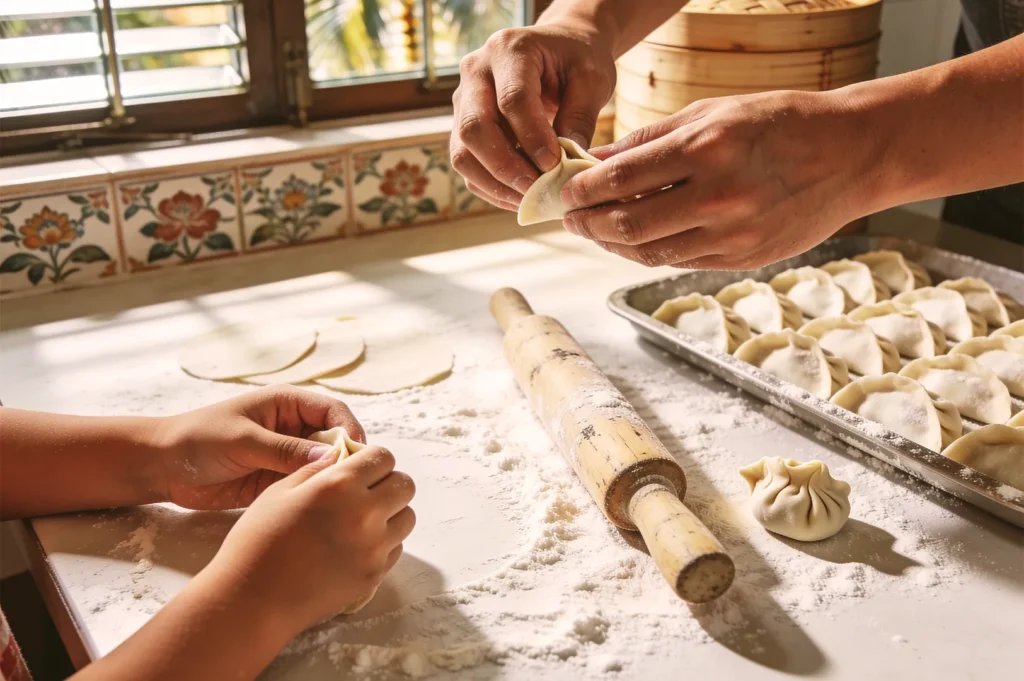
The wooden rolling pin lives in my kitchen drawer now. Still worn pale in the middle.
Last new year, my niece sat on the stool by the counter, told not to touch anything.
So she watched.
At some point, she reached out and took a wrapper. I didn’t stop her. Her first dumpling fell apart at the seam. She looked up, waiting.
I placed it on the tray, right in the row with mine.
“That one’s yours.”
She grinned like she’d been given something. I suppose she had.
Flour. Water. A worn wooden pin. Eighteen pleats, if I’m careful. Fewer, if I’m not.
The things we make by hand are rarely just things. They’re how we say I was here. They’re how we keep the people we’ve lost standing beside us at the counter, one fold at a time.
My mother never told me any of this. She didn’t need to. She showed me, and she waited, and she let me tear a few along the way.
And perhaps that is the quiet truth behind all slow stories — the ones I keep returning to on Unrushed Memories — about food, family, and the hands that hold them together.